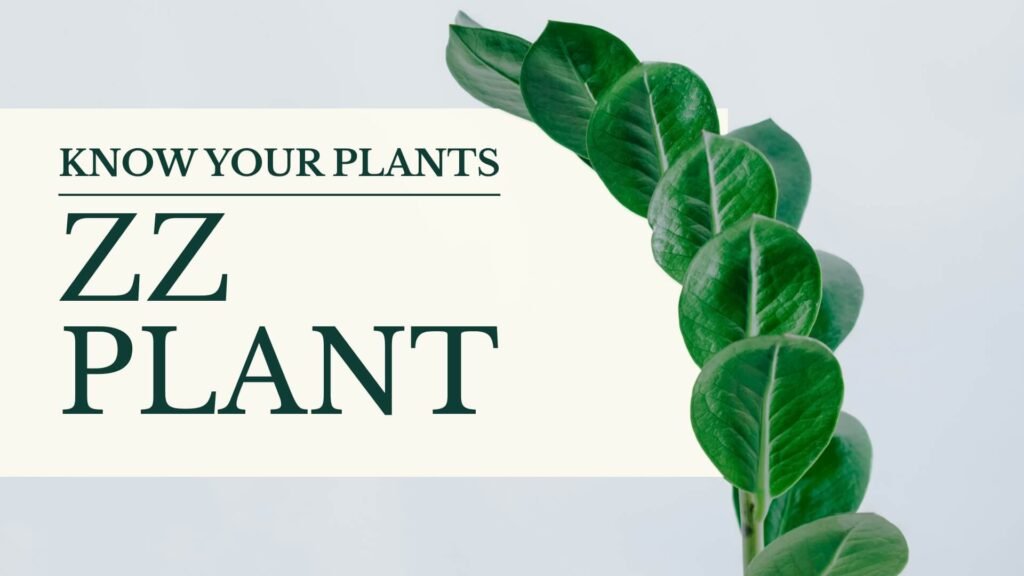
Know Your Plants: ZZ Plant Overview
Know Your Plants: ZZ Plant Overview
The ZZ plant is a drought tolerant indoor plant known for its glossy leaves, slow growth, and ability to survive in low light environments.
The plant belongs to the tropical species Zamioculcas zamiifolia, which evolved in dry regions of East Africa. Its thick underground rhizomes store water, allowing the plant to survive long dry periods. This natural adaptation makes it one of the most resilient houseplants grown indoors.
Practical insight:
If you want a plant that tolerates inconsistent watering and low light, the ZZ plant is one of the most reliable options.
What Is the Scientific Name of ZZ Plant?
The scientific name of the ZZ plant is Zamioculcas zamiifolia.
The plant belongs to the Araceae family, which includes several well known tropical houseplants. The common name “ZZ plant” is simply a shortened form of the botanical name. Most retailers use the abbreviation because the scientific name is longer and harder to remember.
Practical insight:
Plant labels may list either “ZZ plant” or Zamioculcas zamiifolia, but they refer to the same species.
Where Do ZZ Plants Come From?
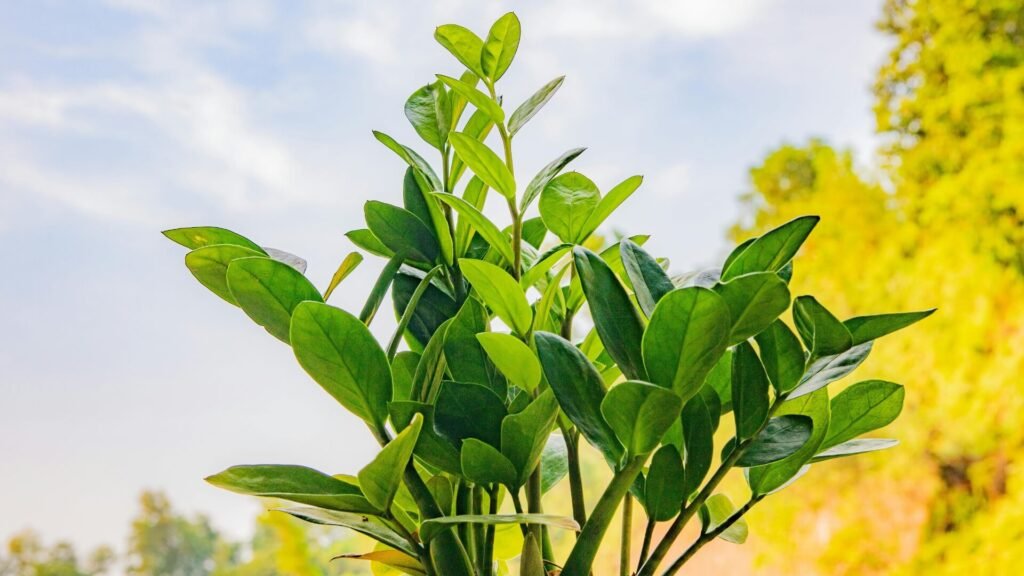
ZZ plants originate from drought prone regions of East Africa.
In the wild, Zamioculcas zamiifolia grows in rocky soil with irregular rainfall and long dry periods. The plant evolved thick rhizomes beneath the soil that store water and nutrients during drought. This natural survival strategy explains why the plant tolerates neglect indoors.
Practical insight:
Plants adapted to dry climates are usually damaged more by overwatering than by underwatering.
How Much Light Does a ZZ Plant Need?
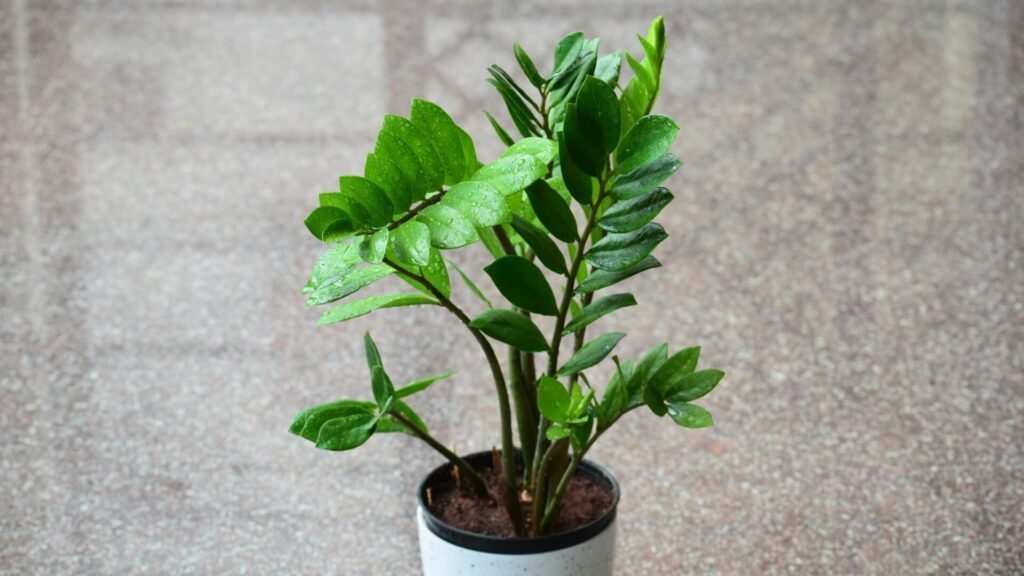
ZZ plants grow best in bright, indirect light but tolerate low light indoor environments.
In its natural habitat, Zamioculcas zamiifolia grows beneath taller vegetation where sunlight is filtered rather than direct. Strong direct sun can damage the leaves, while extremely dark spaces slow growth significantly.
Practical insight:
Slow growth in low light is normal and does not necessarily indicate poor plant health.
Light tolerance summary
Best: bright indirect light
Tolerates: moderate to low light
Avoid: strong direct sunlight
How Often Should You Water a ZZ Plant?
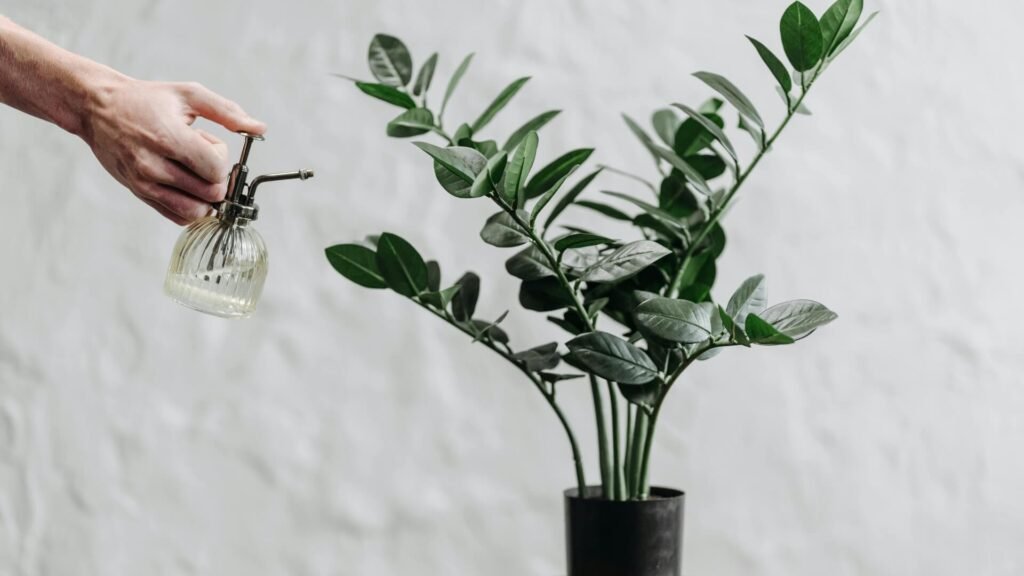
ZZ plants should be watered only after the soil has completely dried out.
The rhizomes of Zamioculcas zamiifolia store water and nutrients, allowing the plant to survive long dry periods. Because of this storage system, frequent watering often leads to root rot and damaged roots.
Watering frequency depends on light levels, pot size, and seasonal growth patterns.
Practical insight:
If you are unsure whether to water your ZZ plant, waiting a few extra days is usually safer than watering too early.
What Soil Is Best for ZZ Plants?
ZZ plants grow best in fast draining soil that does not hold excess moisture.
In nature, Zamioculcas zamiifolia grows in rocky soil that allows water to drain quickly away from the roots. Heavy or compact soil traps moisture and increases the risk of root rot indoors.
Practical insight:
Cactus or succulent soil mixes typically work better than standard potting soil for ZZ plants.
How Big Do ZZ Plants Grow Indoors?
ZZ plants typically grow between two and three feet tall indoors.
Growth depends on light exposure, container size, and overall care conditions. The plant produces upright stems with symmetrical leaflets that gradually expand outward over time.
Practical insight:
Because ZZ plants grow vertically rather than spreading widely, they fit well in corners or narrow indoor spaces.
Why Are ZZ Plants So Hard to Kill?
ZZ plants are difficult to kill because they store water in thick underground rhizomes.
These rhizomes act as a natural survival system that allows Zamioculcas zamiifolia to endure drought and irregular rainfall in its native environment. Indoors, this adaptation helps the plant tolerate missed watering and inconsistent care.
Practical insight:
Most ZZ plant problems occur from overwatering rather than neglect.
Why Are ZZ Plant Leaves Turning Yellow?
ZZ plant leaves usually turn yellow because of overwatering or poor drainage.
Excess moisture deprives the roots of oxygen and damages root tissue. When the root system begins to rot, the plant cannot properly transport water and nutrients to the leaves.
Practical insight:
If yellow leaves feel soft or mushy, reduce watering immediately and check for drainage problems.
Why Is My ZZ Plant Not Growing?
ZZ plants grow slowly and may appear unchanged for long periods.
The plant naturally grows at a gradual pace, especially in low light indoor environments. Growth typically increases during spring and summer when light levels rise and temperatures are warmer.
Practical insight:
Slow growth is normal for ZZ plants and does not indicate a problem with the plant.
Is ZZ Plant Toxic to Pets?
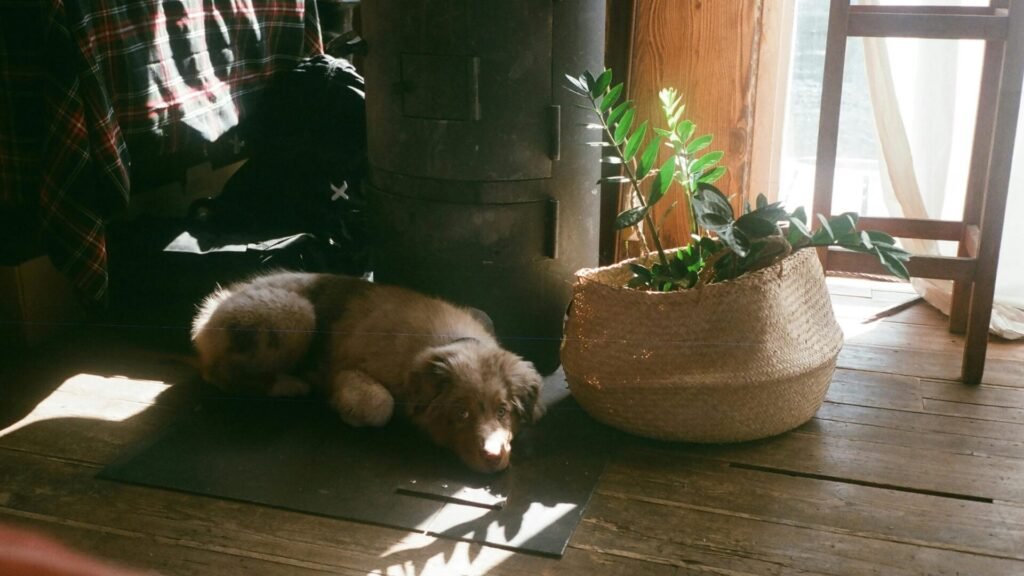
ZZ plants are toxic to cats and dogs if ingested.
The leaves contain calcium oxalate crystals that can irritate the mouth and digestive system when chewed. Symptoms may include drooling, vomiting, or discomfort in pets.
Practical insight:
Pet owners should keep ZZ plants out of reach or choose non toxic plant alternatives.
How Do You Propagate a ZZ Plant?
ZZ plants can be propagated through division or leaf cuttings.
Division separates the underground rhizomes into multiple plants, while leaf cuttings slowly develop new roots and rhizomes over time. Propagation works best during spring and summer when the plant is actively growing.
Practical insight:
Division is the fastest and most reliable method for propagating ZZ plants.
Common ZZ Plant Care Mistakes
Most ZZ plant problems come from excessive care rather than neglect.
Because Zamioculcas zamiifolia evolved in dry environments, frequent watering and heavy soil can quickly damage the roots indoors.
Common mistakes include
• Watering too often
• Using dense or moisture retaining soil
• Placing the plant in strong direct sunlight
• Repotting too frequently
Practical insight:
ZZ plants usually stay healthiest when their care routine is simple and consistent.
ZZ Plant Care Summary
| Care Factor | Recommendation |
|---|---|
| Light | Bright indirect to low light |
| Water | Only after soil dries |
| Soil | Fast draining |
| Growth speed | Slow |
| Toxicity | Toxic if ingested |
Know Your Plants: ZZ Plant Final Takeaway
ZZ plants are one of the most resilient indoor plants available. Their ability to tolerate drought, low light, and irregular watering makes them a dependable choice for beginners and experienced plant owners alike.
Understanding how Zamioculcas zamiifolia naturally survives in dry environments explains why simple care often works best indoors.
If you enjoy learning how plants adapt and thrive indoors, explore more guides in our Know Your Plants series for practical plant knowledge.
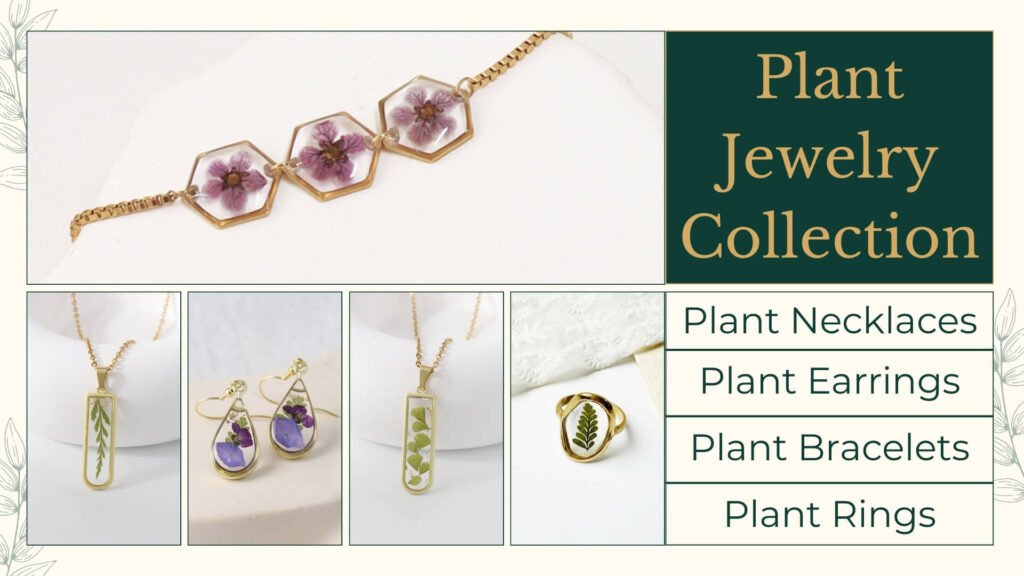
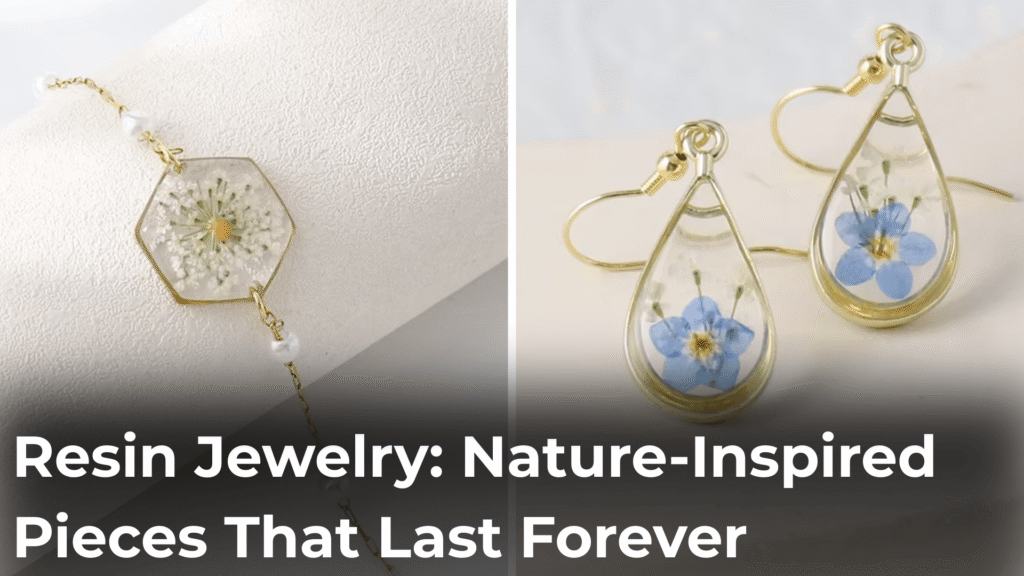
And if plant forms inspire you beyond your home, explore our plant jewelry collection including plant necklaces, plant earrings, plant bracelets, and plant rings designed to bring botanical forms into everyday style.