
Know Your Plants: Snake Plant Overview
Know Your Plants: Snake Plant is a hardy indoor plant known for its upright, sword shaped leaves and tolerance for low light and irregular care.
Snake plants are native to dry regions of West Africa and evolved to survive drought, poor soil, and inconsistent conditions. Indoors, this makes them one of the most forgiving houseplants for beginners and busy households.
They store water in thick leaves rather than relying on frequent watering, which is why they tolerate neglect better than many plants.
Practical insight: If you want a plant that survives missed watering without drama, snake plant is one of the safest choices.
What Is the Scientific Name of Snake Plant?
The snake plant is scientifically classified as Dracaena trifasciata, previously known as Sansevieria.
Botanists reclassified the plant based on genetic research, but the old name is still widely used in gardening and retail. Both names refer to the same plant.
Indoors, this name change does not affect care, but it explains why plant labels may differ.
Practical insight: If a plant label says Sansevieria or Dracaena, care requirements remain the same.
Where Do Snake Plants Come From?
Snake plants originate from arid and semi arid regions of West Africa.
In the wild, they grow in sandy soil with infrequent rainfall and strong sunlight. These conditions shaped their ability to store water and tolerate harsh environments.
Indoors, this means snake plants prefer drying out between watering and do not need rich soil.
Practical insight: Plants adapted to dry climates are more likely to suffer from overwatering than underwatering.
How Much Light Does a Snake Plant Need?
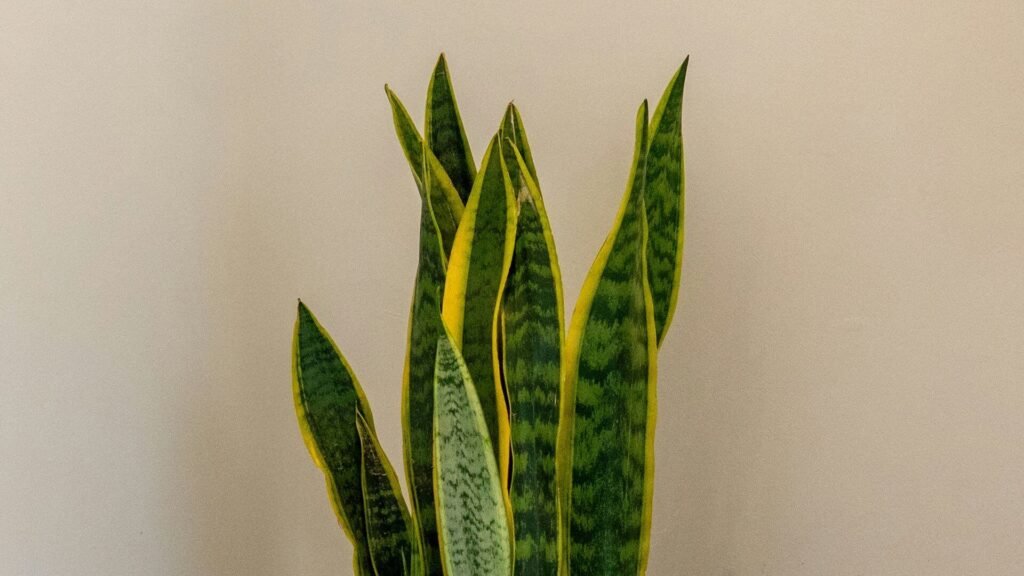
Snake plants grow best in bright, indirect light but tolerate low light conditions.
In brighter light, growth is faster and leaf color is more defined. In low light, growth slows but the plant remains stable.
Direct sunlight can scorch leaves, especially near south facing windows.
Practical insight: Slow growth is normal in low light and does not mean the plant is unhealthy.
Light tolerance summary:
- Best: bright, indirect light
- Tolerates: low light
- Avoid: strong direct sun
How Often Should You Water a Snake Plant?
Snake plants should be watered only when the soil has dried out completely.
Their thick leaves store moisture, and excess water leads to root rot quickly. Overwatering is the most common reason snake plants fail indoors.
Watering frequency varies by season, light level, and pot size.
Practical insight: If unsure whether to water, waiting a few extra days is safer than watering early.
What Type of Soil Is Best for Snake Plants?
Snake plants prefer fast draining soil that does not hold moisture.
Cactus or succulent soil mixes work well because they allow excess water to escape. Heavy or compact soil traps moisture and damages roots.
Drainage holes are just as important as soil type.
Practical insight: Good drainage prevents most snake plant problems before they start.
How Big Do Snake Plants Grow Indoors?
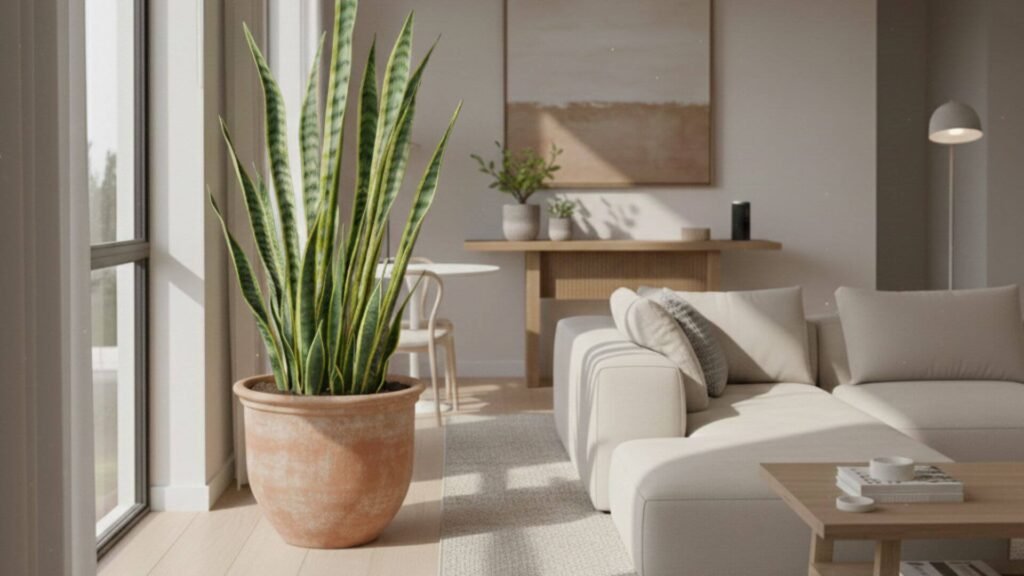
Snake plants typically grow between two and four feet tall indoors.
Growth is slow and steady, especially in low light. Leaf height depends on variety, pot size, and light exposure.
They do not spread aggressively indoors.
Practical insight: Snake plants are well suited for corners, bedrooms, and small spaces where height is preferred over width.
Is Snake Plant Good for Bedrooms?

Snake plants are well suited for bedrooms due to their low maintenance needs and compact footprint.
They tolerate low light and do not require frequent care, making them easy to place away from windows.
While often associated with oxygen myths, their real value is reliability and visual calm.
Practical insight: Choose bedroom plants for ease and comfort, not exaggerated air quality claims.
Is Snake Plant Toxic to Pets?
Snake plants are mildly toxic to cats and dogs if ingested, according to the ASPCA Animal Poison Control Center.
The leaves contain compounds that can cause nausea or irritation when chewed. Serious reactions are uncommon but possible.
Pet owners should keep snake plants out of reach or choose non toxic alternatives.
Practical insight: Always verify plant safety using established toxicity references such as the ASPCA plant database.
Why Are Snake Plant Leaves Turning Yellow?
Snake plant leaves usually turn yellow due to overwatering or poor drainage.
Excess moisture deprives roots of oxygen and leads to tissue breakdown, which appears as yellowing leaves.
This often starts at the base of the plant.
Practical insight: Yellow leaves that feel soft or mushy are a sign to reduce watering immediately.
Why Are Snake Plant Leaves Falling Over?
Snake plant leaves fall over when roots are damaged or the plant lacks support.
Overwatering weakens the root system, preventing it from anchoring upright leaves. Insufficient light can also cause weaker growth.
Once leaves bend, they do not recover.
Practical insight: Firm, upright leaves indicate healthy roots and proper watering.
Does Snake Plant Really Clean the Air?
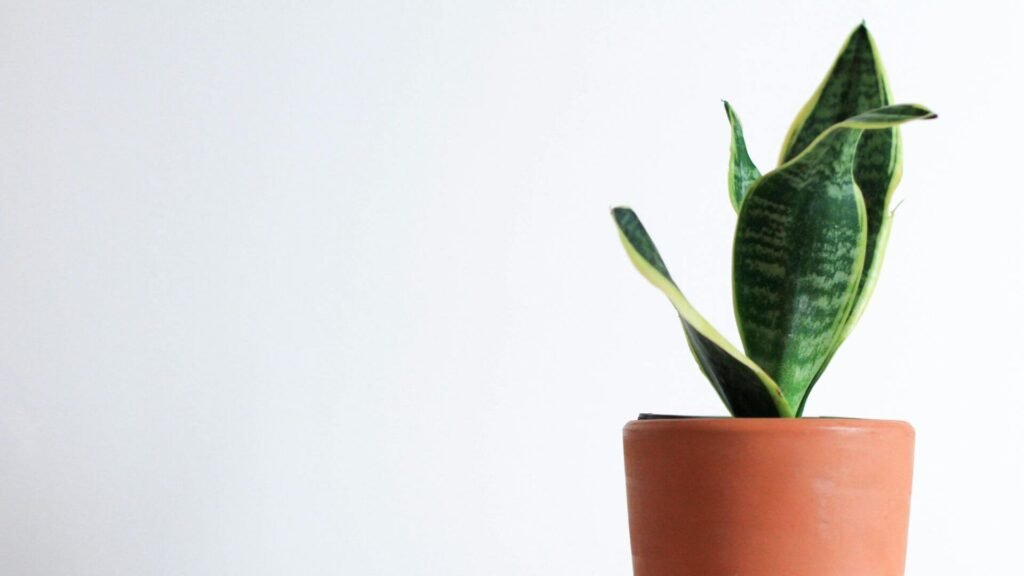
Snake plants do not significantly clean indoor air in real home environments.
Laboratory studies showed limited pollutant removal under sealed conditions, but this does not translate to everyday living spaces.
Ventilation and filtration are far more effective for air quality.
Practical insight: Plants improve how a space feels, not the chemistry of the air.
How Fast Do Snake Plants Grow?
Snake plants grow slowly, especially in low light.
New leaves typically emerge during spring and summer when light levels increase. Growth nearly stops in winter.
This slow pace makes them easy to manage indoors.
Practical insight: Slow growth is a feature, not a flaw, for long term houseplants.
How Do You Propagate a Snake Plant?
Snake plants can be propagated through leaf cuttings or division.
Leaf cuttings root slowly and may lose variegation. Division preserves the original plant’s appearance.
Propagation works best during active growth periods.
Practical insight: Division is the most reliable method for maintaining leaf patterns.
Common Snake Plant Care Mistakes
Most snake plant issues come from excess care rather than neglect.
Common mistakes include frequent watering, poor drainage, and placing the plant in direct sun.
Minimal intervention produces the healthiest plants.
Practical insight: Snake plants thrive when left alone more than managed closely.
Snake Plant Care Summary
| Care Factor | Recommendation |
|---|---|
| Light | Bright, indirect to low light |
| Water | Only after soil dries |
| Soil | Fast draining |
| Toxicity | Mildly toxic to pets |
| Growth speed | Slow |
Know Your Plants: Snake Plant Final Takeaway
Snake plants are ideal for people who want a durable, low effort houseplant.
They tolerate low light, infrequent watering, and a wide range of indoor conditions. When cared for simply, they remain healthy for years.
If you enjoy learning how plants adapt and survive indoors, explore our Know Your Plants and Plant Care guides for clear, practical insights.
And if plant forms inspire you beyond your home, our botanical resin necklaces, bracelets, and earrings preserve natural shapes in wearable designs.