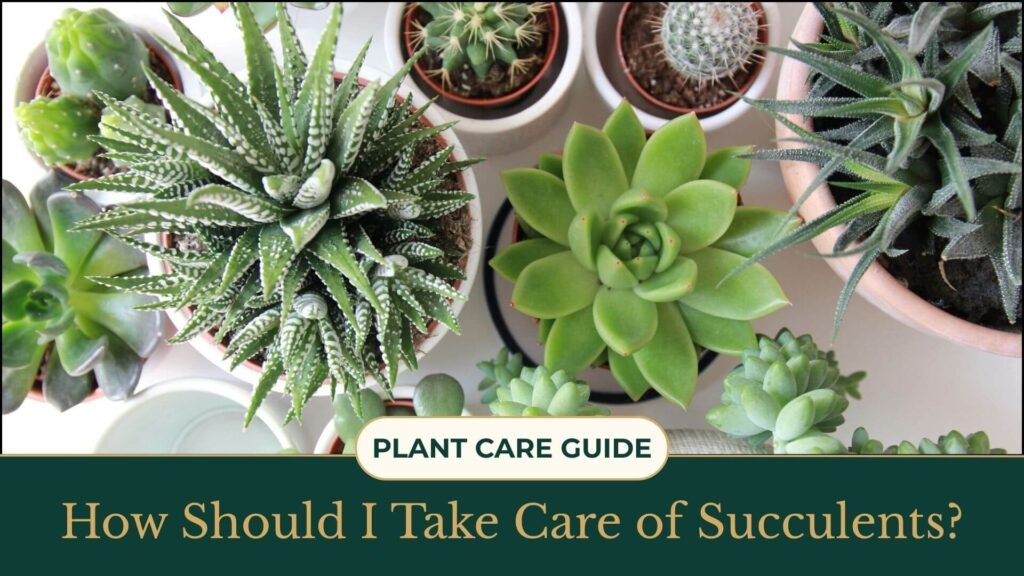
How Should I Take Care of Succulents? Succulents seem effortless to grow, yet many plant lovers watch their fleshy-leaved beauties turn mushy, stretched, or shrivelled within months. The secret lies in understanding that these drought-adapted plants need completely different care than typical houseplants. Master the basics of light, water, and soil, and your succulents will thrive for years in your Canadian home.
What Do Succulents Actually Need to Stay Healthy?
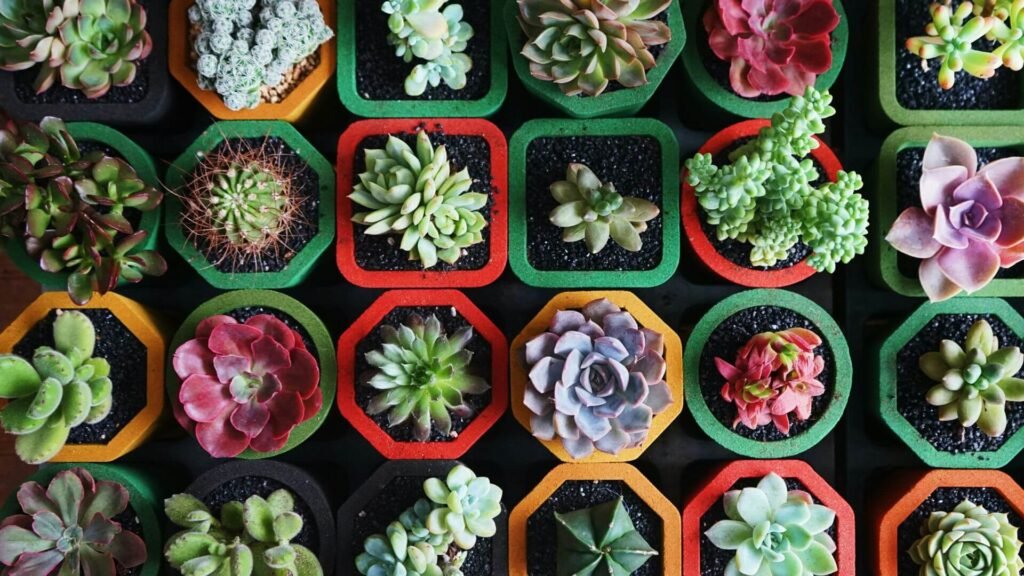
Succulents need bright light, fast-draining soil, and infrequent but thorough watering to mimic their natural desert conditions.
These plants store water in their leaves, stems, and roots, making them incredibly drought-tolerant but extremely sensitive to excess moisture. Popular indoor varieties like jade plants, echeveria, and haworthia have adapted to harsh, sunny environments with minimal rainfall. In Canadian homes, they typically live indoors year-round since most decorative succulents cannot survive frost.
Practical insight: Think “feast or famine.” Give your succulents intense light and deep drinks, followed by complete drying periods.
Why Do So Many Succulents Die Indoors?
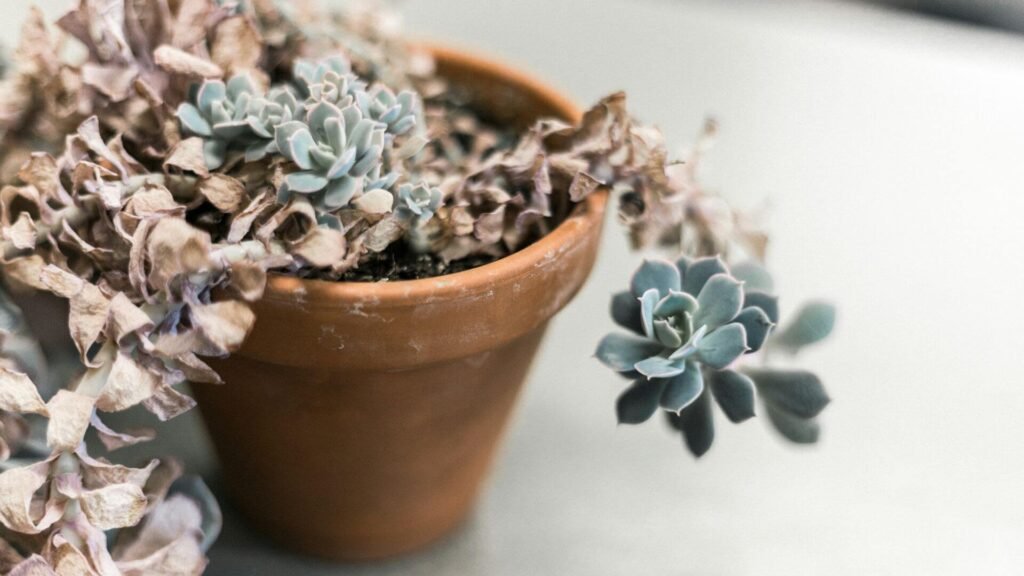
Overwatering is the number one killer of succulents, responsible for more plant deaths than all other causes combined.
Most failures happen because we treat succulents like regular houseplants, giving them frequent sips of water and rich, moisture-retentive soil. Their specialized root systems cannot handle constantly damp conditions and quickly develop root rot. Insufficient light is the second biggest problem, causing weak, stretched growth that makes plants more vulnerable over time.
Practical insight: Succulents fail when we care too much. They thrive on benign neglect with strategic attention to their specific needs.
How Do I Set Up My Succulent for Success?
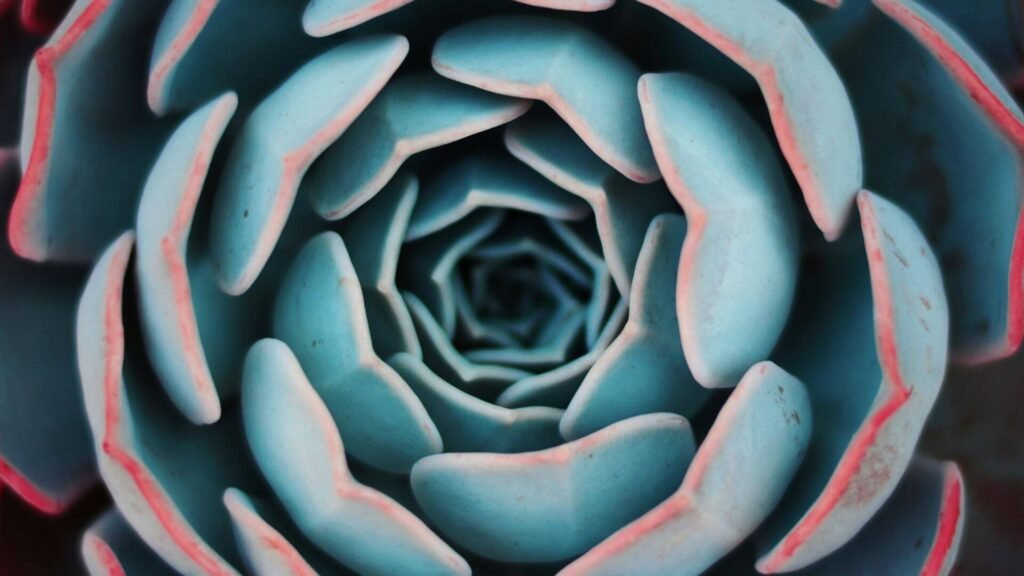
Choose a pot with drainage holes and fill it with fast-draining cactus mix to create the right foundation for healthy growth.
Use a pot only 1 to 2 cm wider than the root ball, as oversized containers hold too much wet soil around roots. Terra-cotta or unglazed clay pots work best because they are porous and help excess moisture evaporate. Cover the drainage hole with mesh or a coffee filter to prevent soil loss while still allowing water to escape freely.
Practical insight: The right pot and soil prevent 90% of succulent problems before they start. Invest in proper drainage from day one.
How to Water Succulents Properly
Water thoroughly when the soil is completely dry, then wait until it dries out again before watering.
Check soil dryness by inserting your finger 2 to 3 cm deep, or by lifting the pot to feel its weight. During active growth in spring and summer, this typically means watering every one to two weeks indoors. In winter, reduce to about once monthly. Always water the soil directly until excess drains from the bottom, and avoid getting water on the leaves to prevent rot.
Practical insight: Follow your plant’s needs, not a calendar. Soil conditions matter more than scheduling when it comes to succulent watering.
Where Should I Place Succulents in My Canadian Home?
Position succulents near south or west-facing windows where they will receive at least four to six hours of bright light daily.
Most succulents can handle direct sun, but sudden exposure causes sunburn seen as brown or bleached patches that will not recover. Gradually move plants to brighter spots over one to two weeks. Keep plants a few centimetres away from cold window glass during winter to avoid temperature stress from drafts.
Practical insight: Canadian winters significantly reduce indoor light levels. Consider supplemental grow lights if your succulents start stretching toward the window.
How Should I Take Care of Succulents Through Canadian Seasons
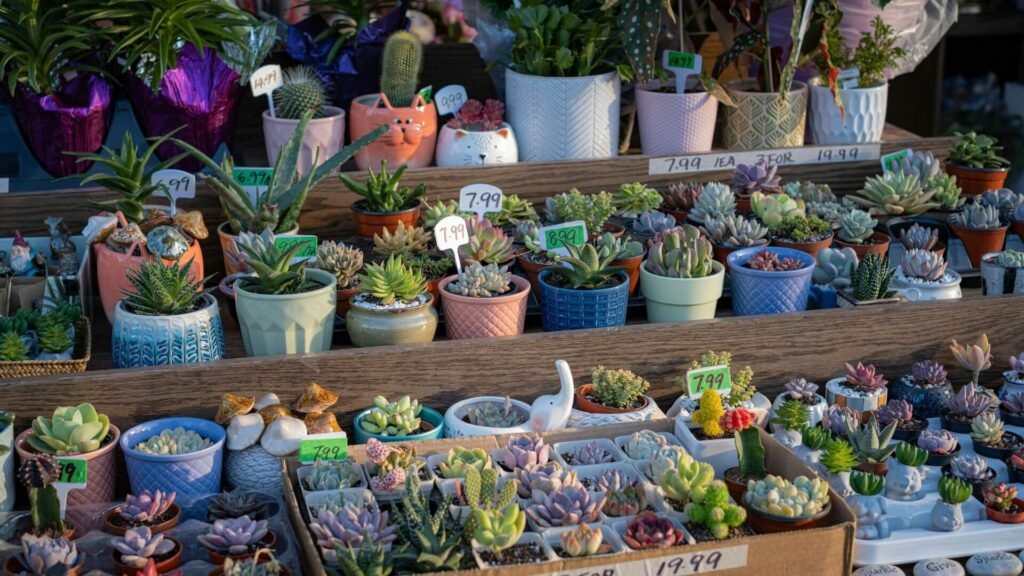
Reduce watering frequency in fall and winter as plants enter dormancy, switching from every one to two weeks down to about once monthly.
Spring signals the return of active growth. Gradually increase watering and consider light fertilizing with diluted cactus fertilizer. Summer allows for outdoor placement if you acclimate plants slowly and protect them from heavy rain. Bring any outdoor succulents inside before the first frost, as most decorative varieties cannot survive Canadian winters outdoors.
Practical insight: Match your care intensity to your plant’s activity level. Less water and no fertilizer during dormant winter months.
Signs Your Succulent Is Struggling
Knowing what to look for helps you catch problems early before they become irreversible.
Signs of overwatering: Mushy, translucent, or yellowing leaves. Blackened stems or roots. Leaves that fall off easily. Soil that smells sour or stays wet for a long time after watering.
Signs of underwatering: Wrinkled, shrivelled, or puckered leaves that feel flat but are still firm. Extremely dry soil that is pulling away from the edges of the pot.
Signs of too little light: Stretched stems, wide gaps between leaves, and faded colour. This is called etiolation, and it happens when succulents reach toward the nearest light source.
Practical insight: A weekly check-in takes less than a minute. Rotate the pot a quarter turn, feel the soil, and glance at the leaves. That habit alone will catch most problems early.
Succulent Care Mistakes to Avoid
- Watering on a fixed schedule instead of checking soil dryness first
- Using regular potting soil that retains too much moisture
- Choosing pots without drainage holes
- Getting water on leaves and rosettes, which causes rot in humid conditions
- Moving plants to intense sun suddenly without gradual adjustment
- Continuing summer care routines through winter dormancy
Quick Reference: Succulent Care by Season
| Care Element | Spring and Summer | Fall and Winter |
|---|---|---|
| Watering | Every 1 to 2 weeks when dry | Once monthly when completely dry |
| Light | 6+ hours bright light | Maximum available light |
| Fertilizer | Diluted cactus fertilizer | None during dormancy |
| Temperature | Room temperature | 18 to 22°C, avoid drafts |
| Location | Can move outdoors gradually | Indoors, away from cold glass |
Final Takeaway
Successful succulent care means resisting the urge to nurture with frequent watering and instead giving these desert plants what they actually need: bright light, excellent drainage, and respectful space between deep soakings. Hopefully this guide has answered your “How Should I Take Care of Succulents” question!
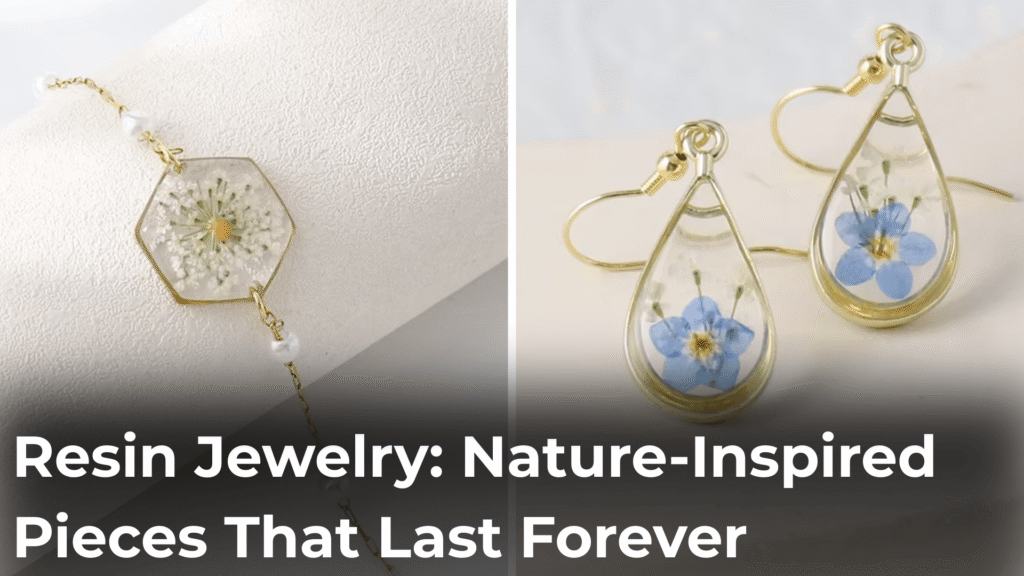
At Leafy Belief, we are drawn to succulents for the same reason we design plant-inspired jewelry. There is something deeply appealing about forms that carry meaning without needing much to survive. If succulents are part of your everyday life, explore our collection of plant necklaces, plant earrings, plant bracelets, and plant rings, each designed to bring botanical forms into your personal style.
Enjoyed this guide? Explore more in our Know Your Plants series for practical plant knowledge, and visit our plant jewelry collection to wear the plants you love.