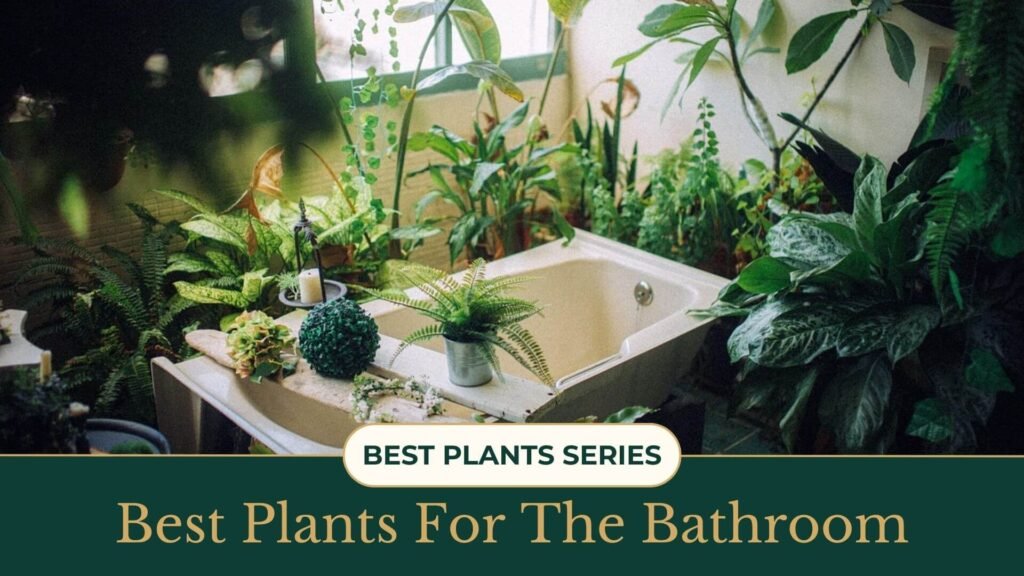
Why Are Bathrooms Good for Some Plants?
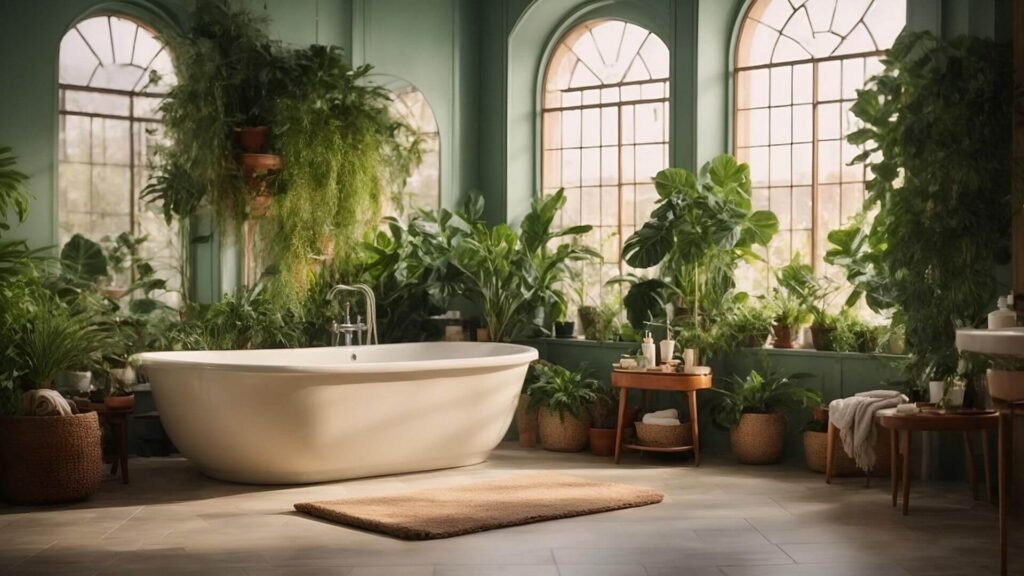
Best Plants for the Bathroom thrive in humidity and tolerate lower or indirect light conditions common in bathrooms.
Showers and baths increase moisture in the air, which mimics tropical and rainforest conditions. Many popular houseplants evolved beneath dense canopies where humidity stays consistently high. Indoors, bathrooms can replicate that moisture cycle better than living rooms or bedrooms.
However, humidity alone does not guarantee plant health. Light availability is still the most important factor.
Practical insight: A humid bathroom without a window is still a low-light environment, so plant choice must prioritize light tolerance first.
What Makes a Plant Suitable for a Bathroom?
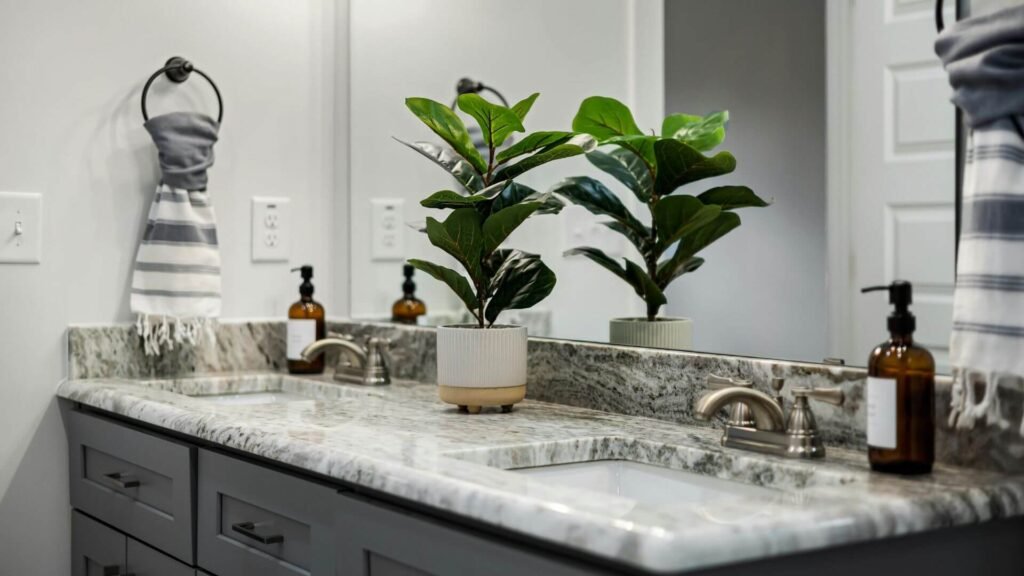
A suitable bathroom plant tolerates humidity, fluctuating temperatures, and lower light levels.
Bathrooms experience short bursts of steam followed by cooling periods. Not all plants handle this cycle well. Plants that evolved in tropical understories are naturally adapted to warm moisture and filtered light.
The best candidates share these traits:
- Tolerates low to medium light
- Prefers moderate to high humidity
- Handles occasional temperature swings
- Does not require constant airflow
Practical insight: Avoid desert plants like cacti in bathrooms with daily steam, as excess humidity can encourage rot.
Are Snake Plants Among the Best Plants for the Bathroom?
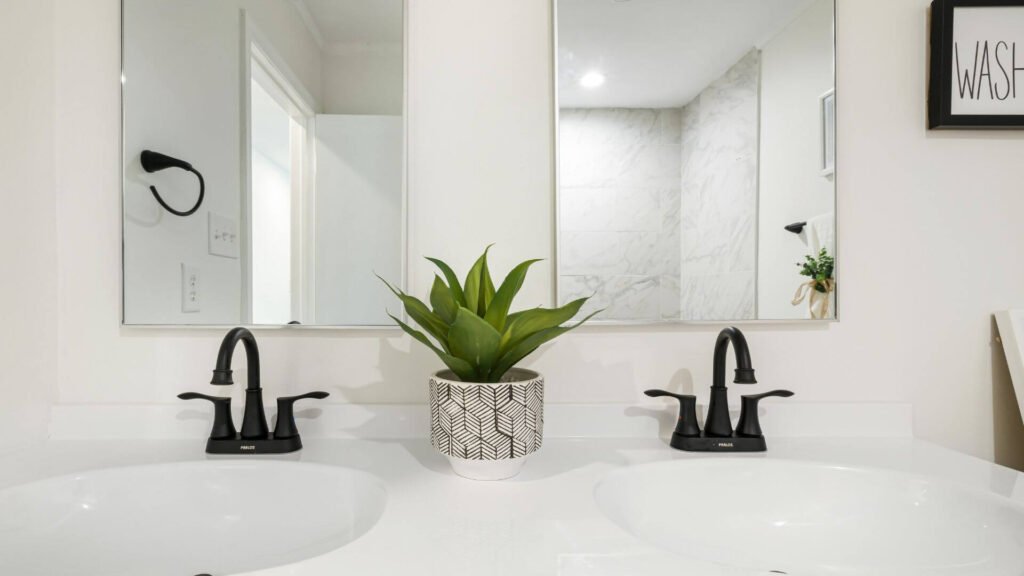
Snake Plant is well suited for bathrooms because it tolerates low light and fluctuating humidity.
Native to arid regions of West Africa, snake plants evolved to survive inconsistent watering and variable conditions. Indoors, they adapt easily to bathroom environments, especially those with small windows or indirect light.
While they do not require humidity, they are not harmed by it.
Practical insight: Place snake plants near a window or bright artificial light source to prevent slow, stretched growth.
Is ZZ Plant Good for the Bathroom?
ZZ Plant performs well in bathrooms with low light and moderate humidity.
ZZ plants store water in thick rhizomes beneath the soil, allowing them to tolerate irregular watering. Their glossy leaves also handle humidity without developing fungal issues easily.
They evolved in drought-prone environments, which makes them more sensitive to overwatering than to steam.
Practical insight: In a humid bathroom, water a ZZ plant less frequently than you would in a dry living space.
Is Pothos Good for the Bathroom?
Pothos thrives in bathrooms with medium to bright indirect light.
In nature, pothos grows as a climbing vine in tropical forests where humidity is consistently high. Bathrooms replicate these moisture levels, helping leaves stay supple and vibrant.
However, pothos still requires sufficient light to maintain healthy growth and variegation.
Practical insight: If pothos leaves lose their pattern, the plant likely needs more light rather than more humidity.
Is Boston Fern Good for the Bathroom?
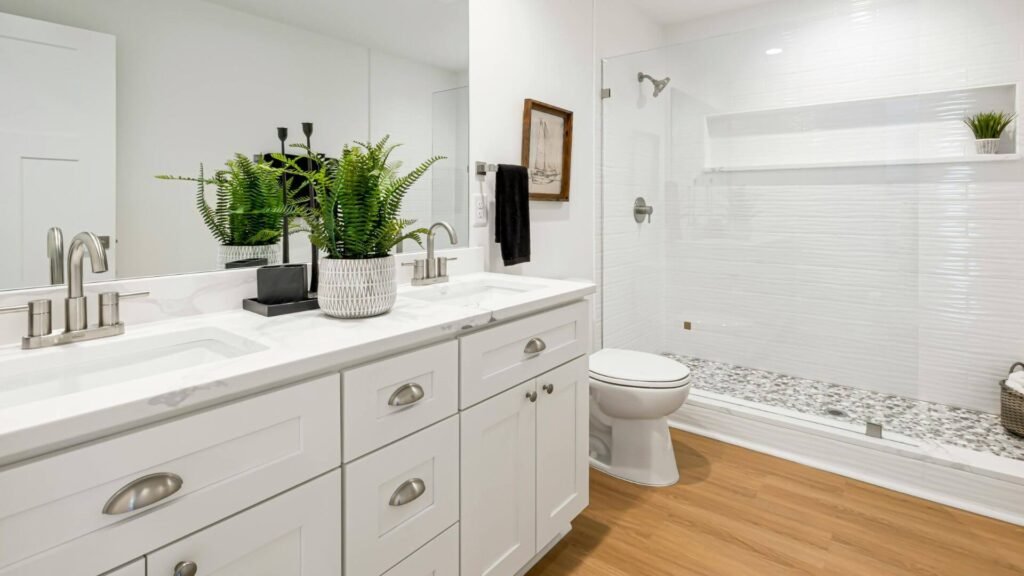
Boston Fern is ideal for bright bathrooms with steady humidity.
Ferns evolved in shaded forest floors where moisture levels remain high year-round. Bathrooms with windows provide the humidity and filtered light that ferns prefer.
Without adequate light, however, ferns thin out and lose fullness.
Practical insight: Boston ferns perform best in bathrooms with bright, indirect natural light and consistent airflow.
Is Peace Lily Good for the Bathroom?
Peace Lily adapts well to bathroom environments with moderate light and elevated humidity.
Peace lilies originate from tropical rainforests and tolerate lower light than many flowering plants. Bathroom humidity helps prevent leaf browning at the edges.
They remain sensitive to overwatering, even in humid air.
Practical insight: Drooping leaves on a peace lily usually indicate thirst, not humidity imbalance.
Is Orchid Good for the Bathroom?
Phalaenopsis Orchid benefits from bathroom humidity when sufficient light is available.
Phalaenopsis orchids grow attached to trees in warm, humid climates. Steam from showers mimics their natural environment, helping prevent dry roots and shriveled buds.
Light remains critical for blooming.
Practical insight: A bright bathroom window can create ideal orchid conditions without additional humidifiers.
Can You Keep Plants in a Bathroom Without Windows?
Plants can survive in windowless bathrooms only if artificial grow lights provide adequate light.
Humidity alone does not replace sunlight. Photosynthesis requires sufficient light intensity and duration. Without it, plants gradually weaken regardless of moisture levels.
Low-light tolerant plants survive longer, but none thrive in total darkness.
Practical insight: Use a full-spectrum grow light for 10–12 hours daily in bathrooms without natural light.
Do Bathroom Plants Improve Air Quality?
Bathroom plants do not significantly improve indoor air quality in real home conditions.
Laboratory studies tested plants in sealed environments with concentrated pollutants. Normal homes have air exchange systems and larger air volumes, which reduce measurable plant impact.
Ventilation and filtration systems are more effective for air purification.
Practical insight: Choose bathroom plants for aesthetic calm and stress reduction rather than air-cleaning expectations.
What Are the Worst Plants for Bathrooms?
Cacti and most succulents are poor choices for consistently humid bathrooms.
These plants evolved in dry desert climates where moisture evaporates quickly. Constant steam increases the risk of fungal issues and rot.
Plants requiring intense, direct sunlight also struggle in most bathrooms.
Avoid:
- Cacti
- Jade plants
- Aloe in very low light
- Sun-loving desert succulents
Practical insight: Match the plant’s native habitat to your bathroom conditions.
Are Bathroom Plants Safe for Pets?
Some bathroom plants are toxic to pets if ingested.
For example, snake plants and peace lilies can cause mild irritation in cats and dogs. Always verify plant safety before placing them in accessible areas.
Reliable plant toxicity databases provide accurate guidance.
Practical insight: Elevating plants on shelves reduces risk in small bathrooms shared with pets.
Bathroom Plant Care Quick Reference
| Condition | Recommendation |
|---|---|
| High humidity | Reduce watering frequency |
| No window | Install grow light |
| Small bathroom | Choose upright plants |
| Cold tile floors | Elevate pots to prevent root chill |
Final Takeaway: What Are the Best Plants for the Bathroom?
The best plants for the bathroom tolerate humidity and lower light while remaining resilient to environmental changes.
Light availability should guide your choice first, with humidity considered a secondary advantage. Plants adapted to tropical understories generally perform best.
Understanding where a plant comes from makes bathroom placement simple and predictable.
If you enjoy learning how plant origins influence indoor care, explore the Know Your Plants series for deeper, practical guidance. And if plant forms inspire your space beyond décor, nature-inspired botanical designs can bring that same organic calm into everyday wear.