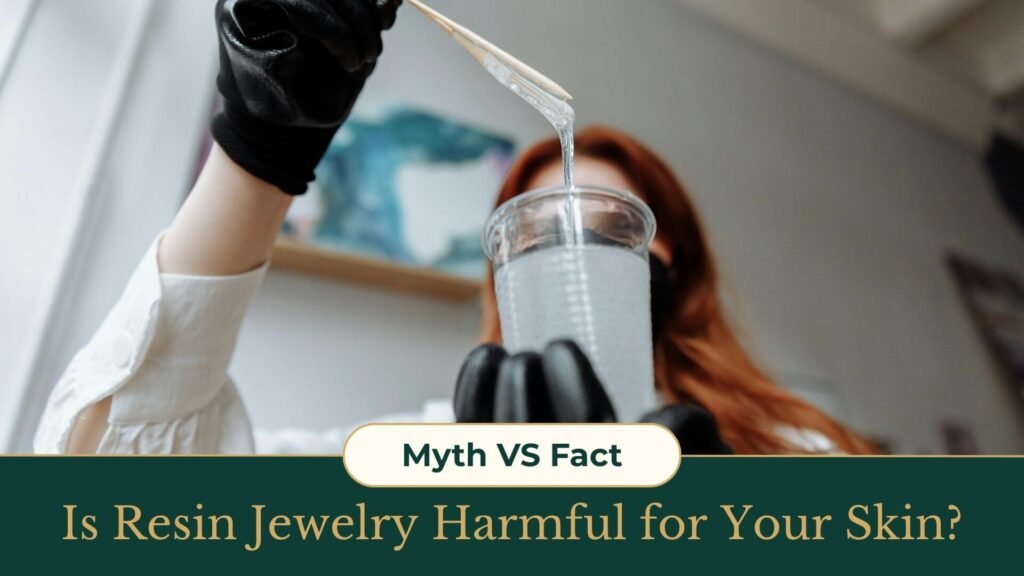
Is Resin Jewelry Harmful For Your Skin? Resin jewelry is generally safe for skin when it is fully cured and properly finished, but irritation can occur if the resin is unfinished or if metal components cause sensitivity.
Concerns about resin usually come from confusion between liquid resin and cured resin. In its liquid state, epoxy resin contains reactive chemicals. Once properly mixed and fully cured, it becomes a stable, hardened plastic that is considered inert in normal wear conditions.
Practical insight: Most skin reactions blamed on resin are actually caused by metal findings such as nickel, not the cured resin itself.
What Is Resin Jewelry Made Of?
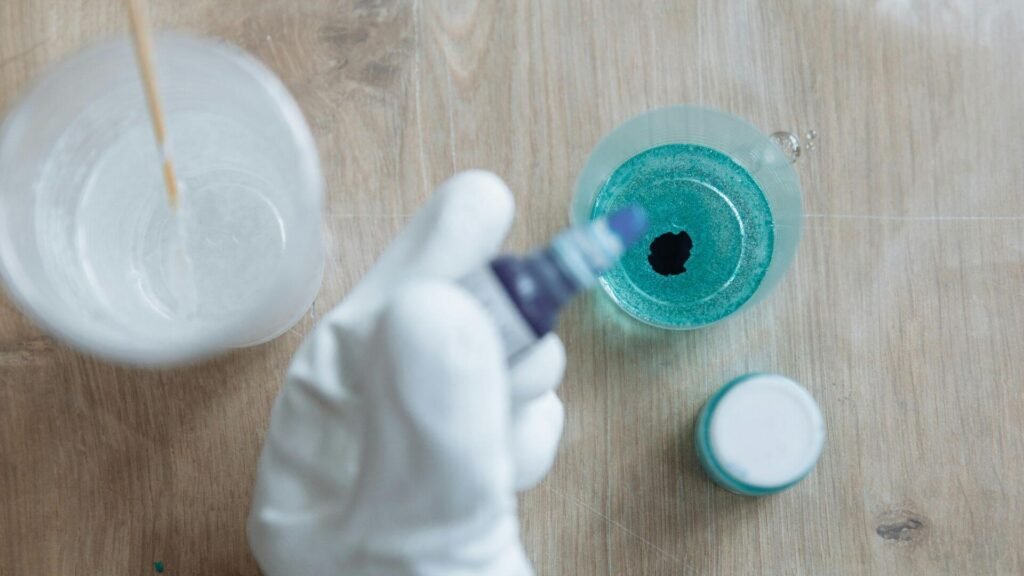
Resin jewelry is typically made from epoxy resin that hardens into a solid, clear material after curing.
Epoxy resin starts as two liquid components: a resin and a hardener. When mixed in the correct ratio, a chemical reaction occurs that transforms the liquid into a rigid, durable plastic. Once cured, the material is no longer in its reactive state.
This is why handling liquid resin requires gloves and ventilation, but wearing fully cured resin does not.
Practical insight: Proper curing time is critical. Rushing the process can leave the surface slightly tacky and more likely to irritate skin.
Can Resin Jewelry Cause Skin Reactions?

Resin jewelry can cause skin reactions if it is not fully cured or if other materials in the piece trigger sensitivity.
There are two common types of reactions: irritation and allergic contact dermatitis. Irritation can happen from friction, trapped moisture, or rough edges. Allergic reactions are more commonly linked to nickel in chains, hooks, or clasps rather than the resin itself.
In most cases, fully cured epoxy resin does not trigger allergies because it is chemically stable.
Practical insight: If redness appears only where metal touches the skin, the issue is likely the metal component, not the resin.
Is Cured Epoxy Resin Safe to Wear?
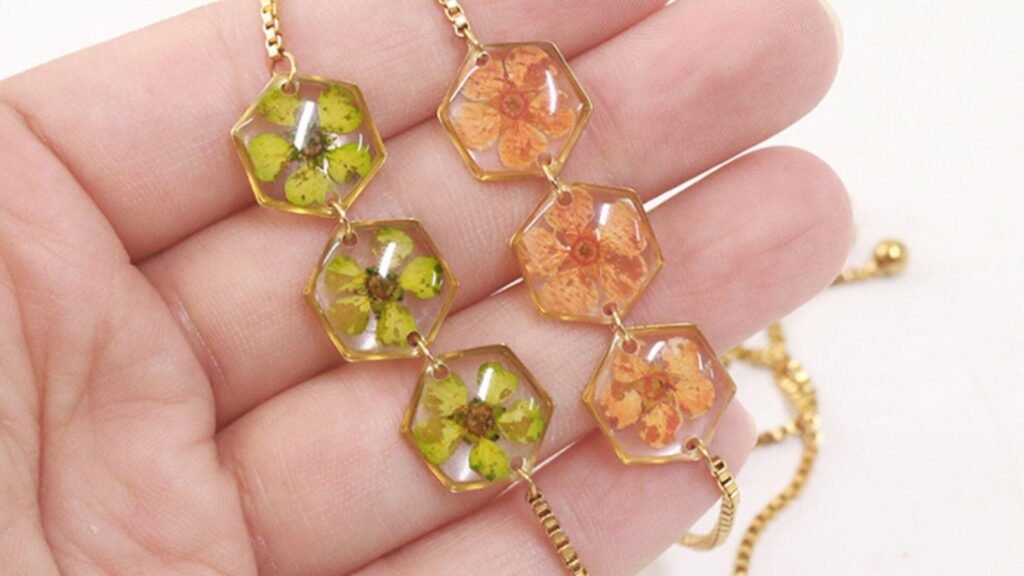
Fully cured epoxy resin is considered stable and non-reactive for everyday wear.
During curing, reactive chemicals bind together into long polymer chains. Once this process is complete, the material no longer behaves like its liquid form. This is the same principle that makes many household plastics safe for contact after manufacturing.
Problems arise when resin is under-cured or improperly mixed.
Practical insight: A strong chemical smell or sticky texture is a sign the resin may not be fully cured and should not be worn against skin.
Who Is More Likely to Experience Sensitivity?
People with very sensitive skin, eczema, or metal allergies are more likely to notice irritation from jewelry.
Heat, sweat, and friction increase skin reactivity. Even safe materials can feel uncomfortable during workouts or hot weather. This applies to resin, metals, and even fabrics.
Most reactions attributed to “resin allergy” are actually nickel sensitivity.
Practical insight: Choose stainless steel, sterling silver, or gold-filled findings if you have known metal sensitivities.
What Makes Resin Jewelry Unsafe?
Resin jewelry becomes unsafe when it is poorly made or improperly finished.
Common risk factors include:
- Uncured or under-cured resin
- Rough or sharp edges
- Cracked surfaces that trap moisture
- Low-quality metal components
- Exposure to high heat that softens the material
When resin is correctly mixed, cured, sanded, and sealed, these risks are significantly reduced.
Practical insight: Quality craftsmanship matters more than the material alone.
Does Resin Trap Moisture Against the Skin?
Resin itself does not actively trap moisture, but large solid surfaces can reduce airflow.
Unlike porous materials, cured resin does not absorb sweat. However, if worn tightly against the skin for long periods, moisture can accumulate underneath any non-breathable surface.
This is not unique to resin. Metal, plastic, and even watches can create similar conditions.
Practical insight: Remove jewelry during exercise or prolonged sweating to reduce irritation risk.
Is Resin Jewelry Safe for Daily Wear?
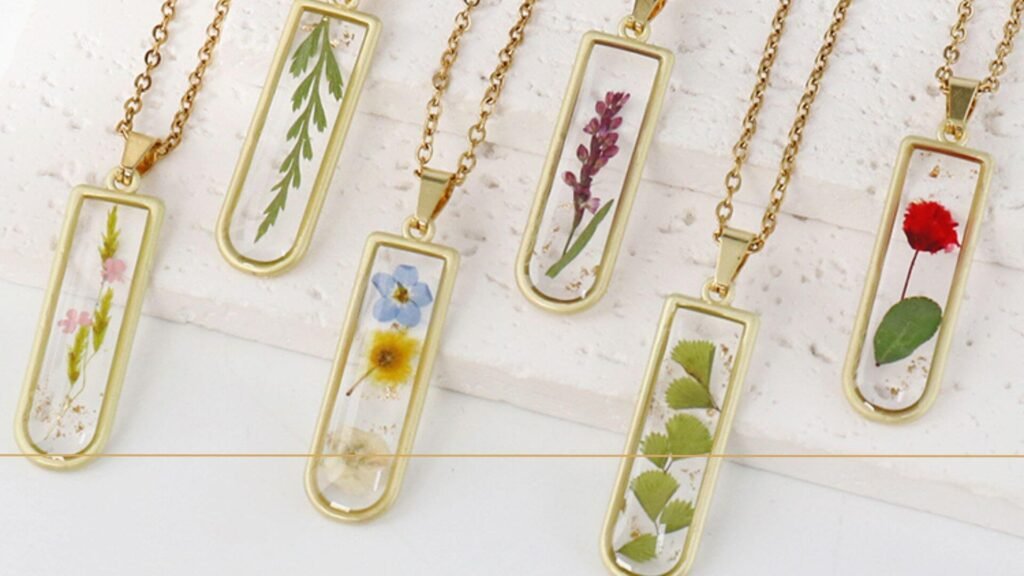
Resin jewelry is safe for daily wear when properly cured and maintained.
It is durable, lightweight, and resistant to normal environmental exposure. However, extreme heat, prolonged sun exposure, or harsh chemicals can degrade the surface over time.
Removing resin jewelry before swimming, showering, or heavy exercise extends its lifespan.
Practical insight: Gentle cleaning with mild soap and water keeps resin clear and reduces buildup that can irritate skin.
Resin Jewelry vs Metal Jewelry: Which Is More Likely to Cause Irritation?
Metal jewelry is statistically more likely to cause allergic reactions than properly cured resin.
Nickel is one of the most common contact allergens worldwide. Many inexpensive jewelry pieces contain nickel alloys that trigger rashes. Resin, when cured, does not contain free nickel.
Quick comparison:
| Material | Common Reaction Cause |
|---|---|
| Nickel alloys | Allergic dermatitis |
| Low-quality plating | Skin irritation |
| Fully cured resin | Rare, usually from poor curing |
Practical insight: If you have reacted to jewelry before, test metal components first before blaming resin.
How Can You Tell If Resin Jewelry Is Skin Safe?
Resin jewelry is likely skin safe if it is fully hardened, smooth, and odor-free.
Warning signs include stickiness, strong chemical smell, cloudy patches, or rough unfinished edges. These indicate incomplete curing or poor finishing.
High-quality resin jewelry should feel smooth, solid, and non-tacky.
Practical insight: Perform a short wear test on the inner wrist for a few hours before extended use.
Is Resin Jewelry Toxic After Curing?
Epoxy resin is not considered toxic after it has fully cured.
Toxicity concerns apply primarily during the liquid mixing and curing phase. Once polymerized, the material becomes chemically stable and inert under normal conditions.
This distinction is often misunderstood online.
Practical insight: Safety concerns apply to makers handling liquid resin, not consumers wearing finished pieces.
Final Verdict: Is Resin Jewelry Harmful for Your Skin?
Resin jewelry is not harmful for your skin when it is properly cured, finished, and paired with skin-safe metal components.
Most irritation issues come from nickel allergies, moisture buildup, or poor craftsmanship rather than the resin itself. Understanding the difference between liquid resin and cured resin removes much of the fear surrounding the material.
When made responsibly, resin jewelry is lightweight, durable, and safe for everyday wear.
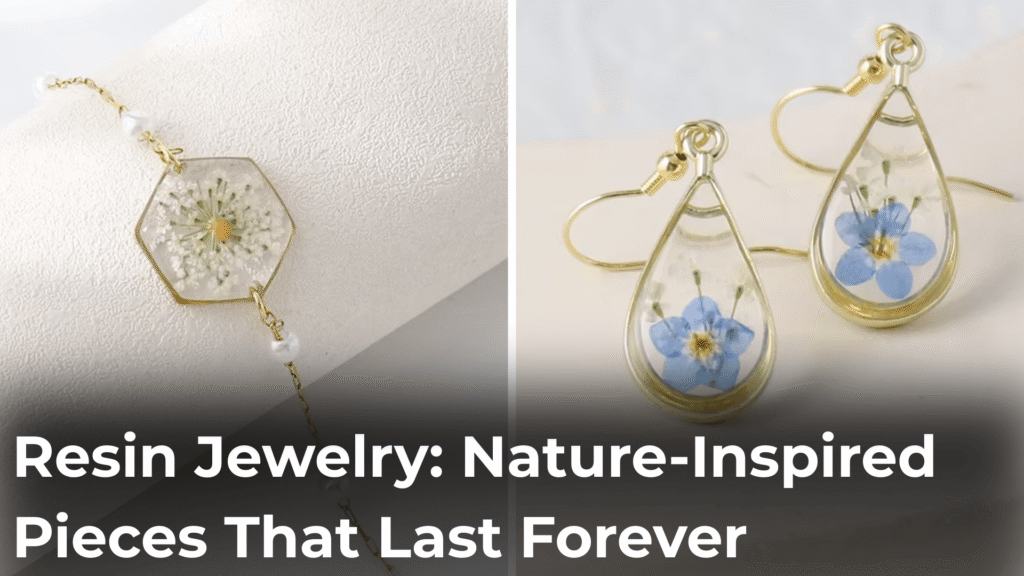
If you appreciate botanical designs preserved in resin, understanding the material helps you choose quality pieces confidently and wear them comfortably. Explore Leafy Belief’s collection of UV-stable botanical resin necklaces, bracelets, rings and earrings to enjoy nature-inspired designs that stay vibrant and clear over time.