How Often Should I Water Houseplants?
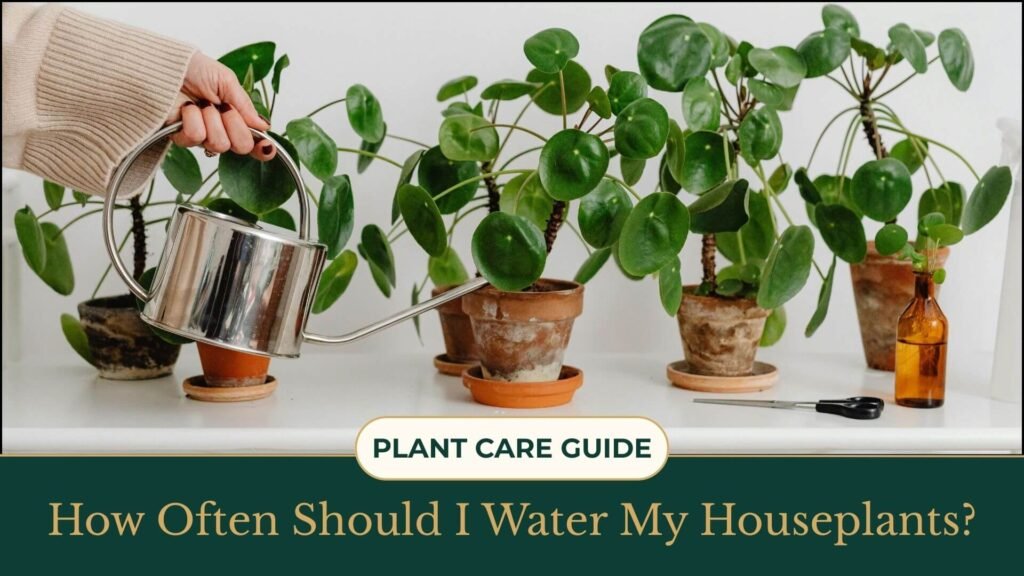
How often should I water my houseplants? The question most of us always have on our minds. Most houseplants should be watered only when the top 2–5 cm (1–2 inches) of soil feels dry, rather than on a fixed schedule.
Indoor plants vary widely in their water needs because they evolved in very different natural environments. Some plants store water in their leaves or roots, while others rely on consistently moist soil to survive. Watering based on soil moisture allows you to respond to the plant’s actual needs and helps prevent both overwatering and underwatering.
Practical insight: A calendar-based watering routine causes more plant deaths than forgetting to water occasionally.
Why There Is No One-Size-Fits-All Watering Schedule
There is no universal watering schedule because houseplants differ in how they store, use, and lose water.
Plants from arid regions evolved to survive long dry periods, while tropical plants developed in environments with frequent rainfall and steady humidity. Indoors, additional factors such as light exposure, airflow, pot material, and room temperature further influence how quickly soil dries out.
Practical insight: Two identical plants can need different watering frequencies if they are placed in different rooms.
What Factors Determine How Often Houseplants Need Water?
Plant Type and Natural Habitat
Plants adapted to dry climates need less frequent watering than tropical plants.
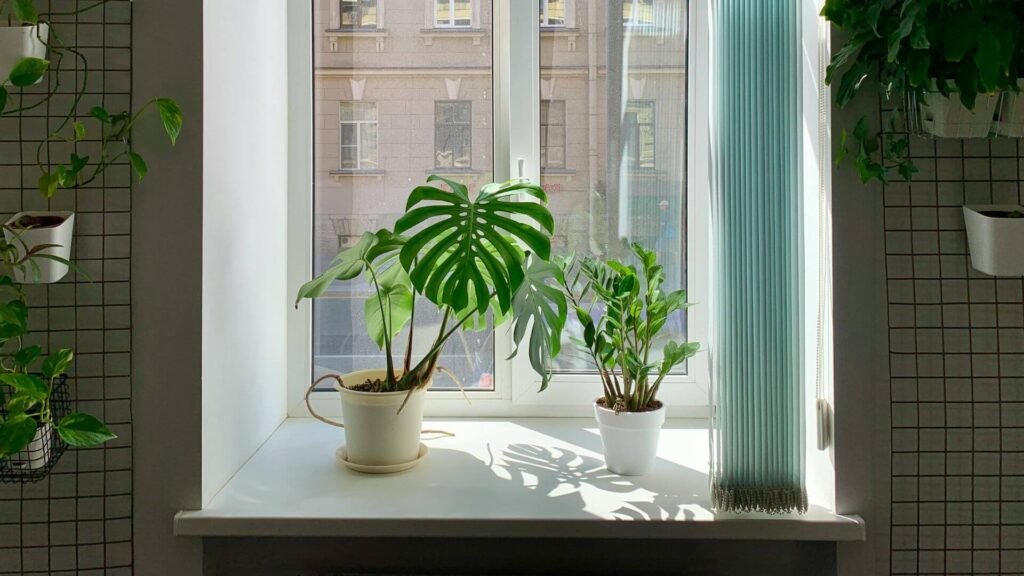
Succulents, snake plants, and ZZ plants store water internally, allowing them to tolerate dry soil for extended periods. In contrast, plants like ferns and peace lilies evolved in consistently moist forest environments and dry out more quickly indoors.
Light Exposure and Location
Brighter light increases water use by driving photosynthesis.
Plants placed near sunny windows dry out faster because light and warmth increase water movement through the plant. Low-light plants grow more slowly, use less water, and remain moist longer after watering.
Practical insight: If a plant grows slowly, it usually needs less water—not more.
Pot Size and Drainage
Small pots dry out faster than large ones, while poor drainage traps water.
A plant in a small container has less soil to hold moisture, causing it to dry more quickly. Pots without drainage holes prevent excess water from escaping, which increases the risk of root rot regardless of how carefully you water.
Indoor Temperature and Humidity
Warm, dry air pulls moisture from both soil and leaves.
Homes with heating or air conditioning dry soil faster than naturally humid spaces like bathrooms or kitchens. Seasonal changes in indoor climate often affect watering needs more than people expect.
Season and Growth Cycle
Most houseplants need less water during winter.
Shorter days and lower light levels slow plant growth, reducing water demand even if the plant’s appearance does not change. Continuing summer watering habits through winter is a common cause of overwatering.
How Can You Tell When a Houseplant Needs Water?
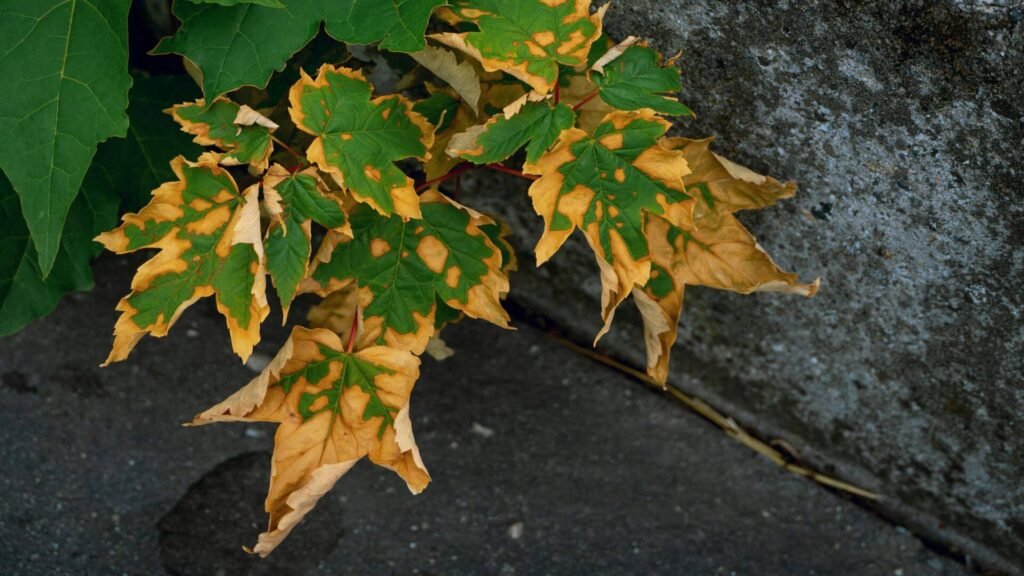
A houseplant needs water when the soil is dry at the root level, not just on the surface.
Surface dryness alone can be misleading, especially in deeper pots. Checking moisture slightly below the surface provides a clearer picture of whether roots still have access to water.
Dry Soil Indicators
- Topsoil dry 2–5 cm down
- Soil pulling away from pot edges
These signs indicate that moisture has been depleted and watering is likely needed.
Leaf and Stem Signals
- Soft or slightly drooping leaves
- Loss of leaf firmness without yellowing
Plants often show subtle changes in texture before severe wilting occurs.
Pot Weight Test
A dry pot feels noticeably lighter than a freshly watered one.
Comparing pot weight before and after watering is one of the most reliable methods for assessing soil moisture, especially for larger plants.
Practical insight: Wilting that improves after watering confirms thirst; wilting that worsens suggests root issues.
What Happens If You Water Too Often?
Overwatering deprives roots of oxygen and leads to root rot.
Plant roots require oxygen to function properly. When soil stays constantly wet, air pockets collapse, creating conditions that encourage fungal growth and pests such as fungus gnats.
Practical insight: Yellow leaves combined with wet soil almost always point to overwatering, not underwatering.
What Happens If You Don’t Water Enough?
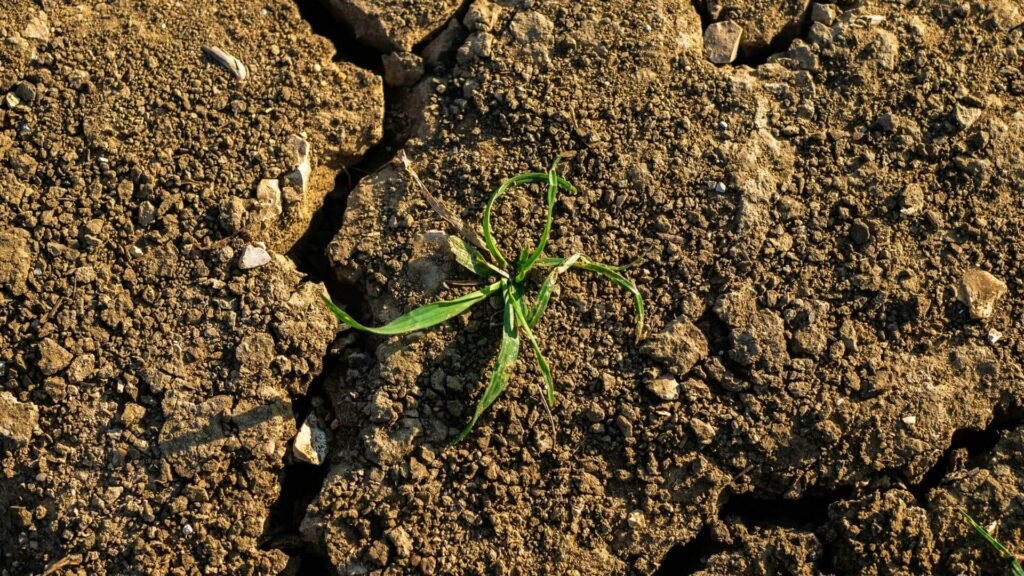
Underwatering causes temporary wilting and slowed growth.
Most houseplants can recover from mild drought if watered promptly. However, prolonged dryness damages roots and leads to crispy leaves, browning edges, and eventual plant decline.
How Often Should Common Houseplants Be Watered?
| Plant | Typical Watering Frequency | Key Warning Sign |
|---|---|---|
| Snake Plant | Every 2–4 weeks | Wrinkled leaves |
| Pothos | Every 7–10 days | Limp vines |
| Monstera | Every 7–14 days | Drooping leaves |
| Spider Plant | Every 7–10 days | Pale leaves |
| ZZ Plant | Every 3–4 weeks | Soft stems |
| Peace Lily | Weekly | Dramatic wilting |
Practical insight: These are averages—always confirm with soil dryness before watering.
Should You Water on a Schedule or Based on Soil?
Watering based on soil moisture is more accurate than following a schedule.
Schedules ignore changes in light, temperature, and plant growth rate. Soil-based watering responds to real conditions and adjusts automatically as the environment changes.
Does Misting Count as Watering?
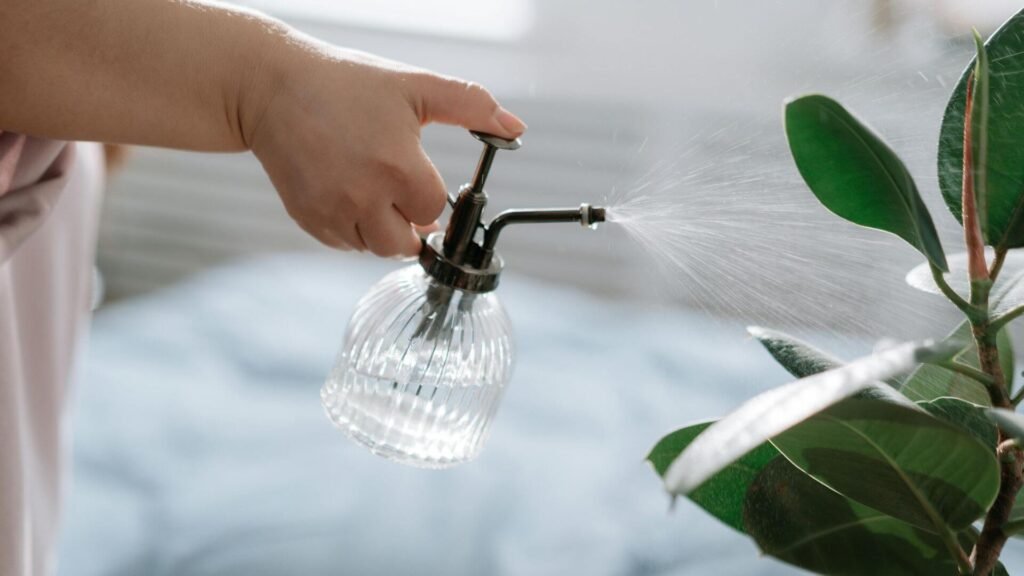
Misting does not replace watering and only briefly raises humidity.
Most houseplants absorb water through their roots rather than their leaves. While misting can temporarily improve humidity, it does not hydrate the root system or prevent dehydration.
How Does Season Affect Houseplant Watering?
Houseplants generally need less water in winter and more in summer.
Lower light and cooler temperatures slow growth in winter, reducing water use. In summer, increased heat and light raise evaporation and water demand.
What Is the Best Way to Water Houseplants?
Top Watering vs Bottom Watering
Top watering flushes salts from soil, while bottom watering encourages deeper root growth.
Both methods are effective when excess water is allowed to drain fully and the plant is not left sitting in water.
How Much Water Is Enough?
Water until excess drains from the bottom of the pot.
This ensures the entire root system is hydrated evenly rather than just the surface soil.
Importance of Drainage Holes
Drainage holes prevent water buildup and root suffocation.
Without drainage, excess water collects at the bottom of the pot, creating conditions that damage roots over time.
Practical insight: A beautiful pot without drainage is decorative, not functional.
Common Houseplant Watering Mistakes to Avoid
- Watering on a fixed schedule
- Ignoring seasonal changes
- Using pots without drainage
- Treating all plants the same
Frequently Asked Questions About Watering Houseplants
How often should I water indoor plants in winter?
Most indoor plants need watering less often in winter, typically 30–50% less than during summer.
Can I water all my houseplants at the same time?
No, different species and locations dry at different rates and should be watered individually.
Is tap water bad for houseplants?
Most houseplants tolerate tap water, but letting it sit overnight allows chlorine to dissipate.
Final Practical Insight for Healthy Watering Habits
Healthy watering is about observation, not routine.
Learning how soil, light, and plant behavior interact will keep your houseplants alive far longer than any fixed schedule. This approach applies across the Know Your Plants series, where understanding plant origins leads to better care decisions indoors.