Do indoor plants significantly clean the air?
Indoor plants do not significantly clean the air in a typical home environment.
While plants can absorb small amounts of airborne pollutants under laboratory conditions, they do not remove toxins at a scale that meaningfully improves indoor air quality in real homes.
In controlled studies, plants were placed in sealed chambers with high pollutant concentrations and no airflow. These conditions do not reflect how homes actually function. Indoors, air volume, ventilation, and pollution sources far exceed what a few plants can influence.
Practical insight: If one or two houseplants noticeably changed indoor air quality, offices and hospitals would rely on plants instead of ventilation systems.
Where Did the “Air Purifying Plants” Myth Come From?

The air purifying plant idea comes from a misunderstood NASA study.
The claim that indoor plants clean the air originated from a 1989 NASA study that examined pollutant removal in sealed environments.
The study tested how plants removed volatile organic compounds in closed chambers designed for space stations. These chambers had no air exchange, which allowed small changes to be measured.
When the findings were later shared online, the context was lost. The results were generalized to homes, even though real homes have open air systems and constant airflow.
Practical insight: Research headlines often simplify findings. Always look at the conditions under which a study was conducted.
Can Indoor Plants Improve Air Quality Indirectly?
Indoor plants can improve how a space feels, not how clean the air is.
Plants can improve perceived air quality by influencing humidity, reducing dust movement, and improving comfort.
Leaves can trap dust particles, and soil can slightly affect moisture levels. These effects are subtle and indirect, not the same as removing harmful gases from the air.
People often feel better in rooms with plants because plants soften visual environments and reduce stress. This psychological effect is real and valuable, but it is not air purification.
Practical insight: Feeling better in a room does not always mean the air chemistry has changed.
Do Indoor Plants Increase Oxygen Levels at Night?
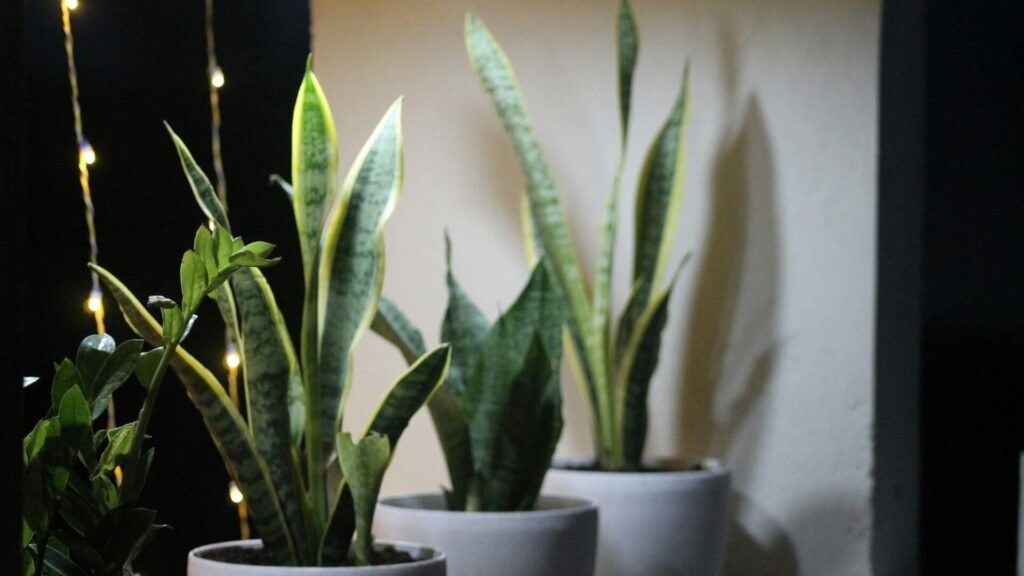
Indoor plants do not meaningfully increase oxygen levels in a home.
Plants produce oxygen during daylight through photosynthesis and consume small amounts of oxygen at night. The total oxygen produced is extremely small compared to the volume of air in a room.
Some plants use a different photosynthesis cycle and release oxygen at night, but the amount is not enough to affect sleep quality or oxygen saturation.
Practical insight: Opening a window or improving airflow has a far greater impact on oxygen levels than adding plants.
How Many Plants Would You Need to Clean the Air?
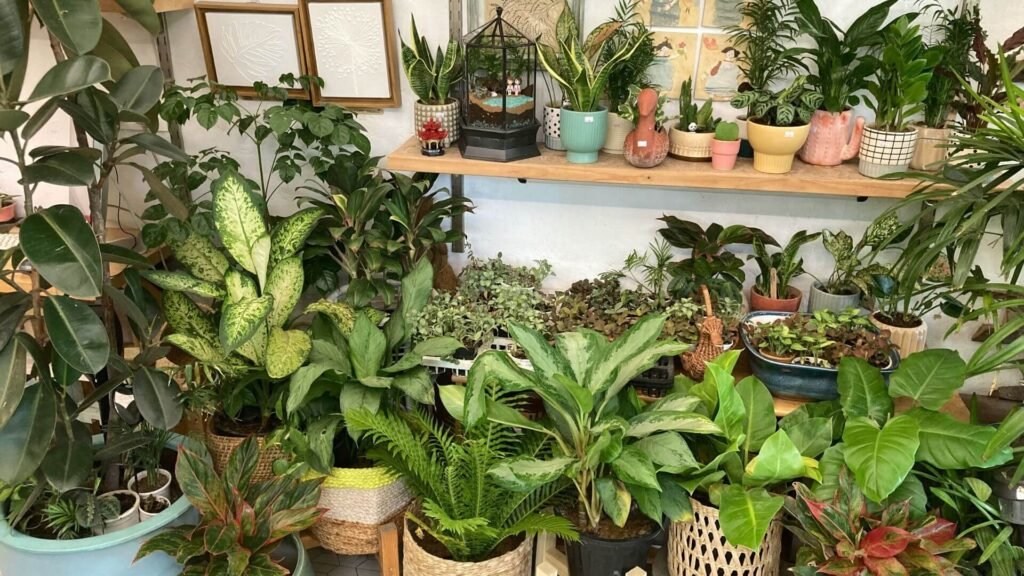
You would need hundreds of plants to affect indoor air quality.
Studies that scaled laboratory results to real spaces found that dozens to hundreds of plants per room would be required to remove pollutants at a noticeable level.
This number is impractical for most homes and still assumes ideal conditions that rarely exist indoors.
Practical insight: If a solution requires extreme effort to work, it is usually not the right solution.
Why the Myth Persists Online
The plant air cleaning myth persists because it is simple and appealing.
The idea that plants naturally clean the air fits well into wellness culture and is easy to share. Lists of air purifying plants spread quickly because they promise an effortless improvement.
Over time, repeated summaries replaced accurate explanations. Search engines and social platforms reward content that feels helpful, even when it lacks context.
Practical insight: Popularity does not equal accuracy, especially in plant care advice.
What Actually Improves Indoor Air Quality?
Ventilation and filtration are the most effective solutions.
Indoor air quality improves most when pollutants are reduced at the source and fresh air is circulated.
Opening windows, using exhaust fans, maintaining HVAC filters, and limiting chemical products have immediate effects. Plants do not address pollutants at a meaningful rate.
Practical insight: Simple airflow habits outperform decorative solutions for air quality.
Are Plants Still Worth Having Indoors?
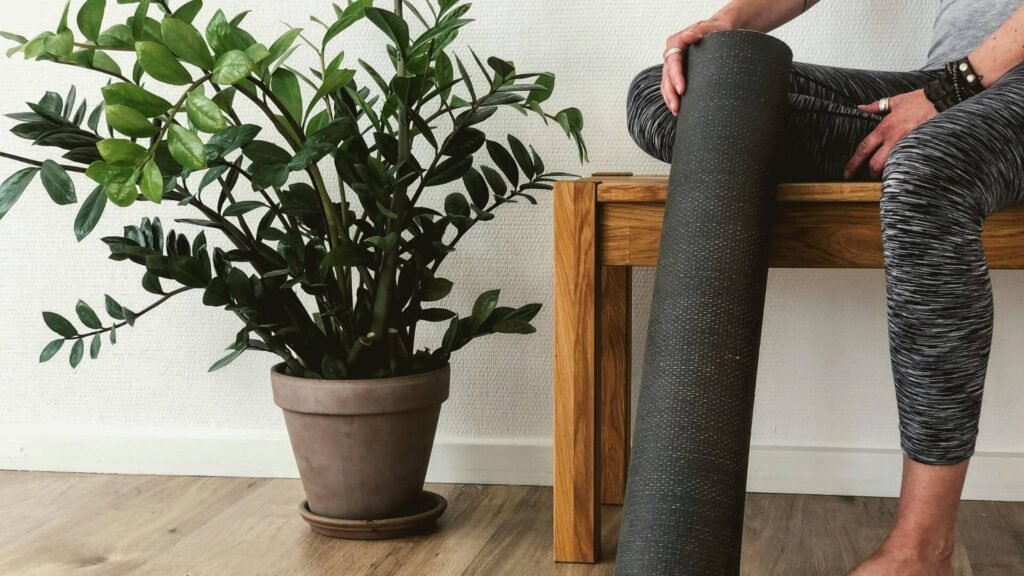
Yes, but not for air purification.
Plants are valuable for emotional wellbeing, visual balance, and creating a sense of care and routine.
Studies show people feel calmer and more focused in spaces with plants. These benefits come from human perception and interaction, not chemical filtration.
Practical insight: Choose plants you enjoy caring for, not plants marketed with exaggerated claims.
Myth vs Fact Summary
| Claim | Reality |
|---|---|
| Plants clean indoor air | False |
| Plants increase oxygen | Negligible |
| NASA proved plants purify air | Misinterpreted |
| Plants improve wellbeing | True |
Final Takeaway
Indoor plants do not significantly clean the air in your home, but they still play an important role in how a space feels.
Understanding the difference between plant myths and plant science helps set realistic expectations. When plants are appreciated for their true benefits rather than exaggerated claims, they become long-term companions rather than short-term fixes.
If you enjoy learning how plants really work, explore our Know Your Plants and Plant Care guides for clear, practical insights.
And if plant forms inspire you beyond your living space, our botanical resin necklaces, bracelets, and earrings preserve natural shapes and textures in wearable designs, keeping nature close in a different way.