Monstera deliciosa is one of the most recognizable houseplants in the world. Known for its large, glossy leaves and natural splits, it is both decorative and surprisingly easy to care for when you understand its needs.
This guide explains what Monstera deliciosa is, where it comes from, how to care for it, and why it behaves the way it does. Each section is written to answer common questions clearly and accurately.
What Is Monstera Deliciosa?
Monstera deliciosa is a tropical evergreen plant native to Central America. It belongs to the Araceae family and is often grown as an indoor houseplant.
Key facts:
- Common name: Swiss Cheese Plant
- Botanical name: Monstera deliciosa
- Plant type: Tropical aroid
- Growth habit: Climbing vine
- Leaf size: Can exceed 2 feet wide indoors
Monstera deliciosa is valued for its dramatic foliage and adaptability to indoor environments.
Why Is It Called the Swiss Cheese Plant?
The nickname comes from the natural holes and splits in mature Monstera leaves.
These openings are called fenestrations.
Fenestrations help the plant:
- Allow light to pass to lower leaves
- Reduce damage from wind and heavy rain in the wild
- Support large leaf growth without tearing
Young Monsteras start with solid leaves. Holes develop as the plant matures and receives proper light.
Where Does Monstera Deliciosa Come From?
Monstera deliciosa is native to tropical rainforests of southern Mexico and Central America.
In nature, it:
- Grows on the forest floor as a juvenile
- Climbs trees using aerial roots
- Reaches for filtered sunlight under the canopy
Understanding its natural habitat explains many of its care preferences indoors.
How Big Does Monstera Deliciosa Get?
Indoors, Monstera deliciosa typically grows:
- 6 to 10 feet tall with support
- 3 to 6 feet wide
Outdoors in ideal tropical conditions, it can grow much larger.
Growth rate depends on:
- Light quality
- Consistent watering
- Root space
- Structural support such as a moss pole
How Much Light Does Monstera Deliciosa Need?
Bright, indirect light is ideal.
Best light conditions:
- Near an east or south facing window with filtered light
- Bright rooms without direct sun hitting the leaves
Light to avoid:
- Harsh direct sunlight, which can scorch leaves
- Very low light, which slows growth and reduces leaf splitting
How Often Should You Water Monstera Deliciosa?
Water when the top 2 inches of soil are dry.
General watering guidance:
- Spring and summer: every 7 to 10 days
- Fall and winter: every 10 to 14 days
Overwatering is the most common issue.
Signs of overwatering:
- Yellowing leaves
- Soft stems
- Persistent wet soil
Signs of underwatering:
- Drooping leaves
- Crispy edges
- Dry, compacted soil
What Type of Soil Is Best?
Monstera deliciosa prefers well draining, airy soil.
Ideal soil mix includes:
- Indoor potting soil
- Perlite or pumice
- Orchid bark or coco chips
This combination allows oxygen to reach the roots and prevents root rot.
Does Monstera Deliciosa Need Humidity?
Yes, but it adapts well to average homes.
Preferred humidity:
- 50 to 60 percent is ideal
- Normal household humidity is usually sufficient
Ways to increase humidity if needed:
- Grouping plants together
- Using a pebble tray
- Running a humidifier during winter
Why Are My Monstera Leaves Turning Yellow?
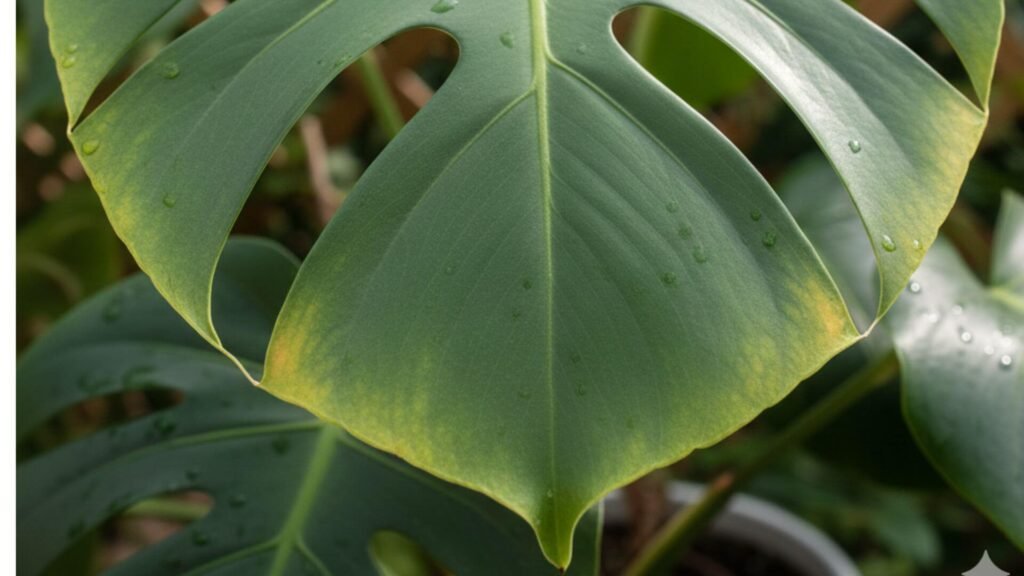
Yellow leaves are usually a care signal.
Common causes:
- Overwatering
- Poor drainage
- Low light
- Natural aging of older leaves
Yellow leaves on a Monstera are most commonly caused by overwatering or poor drainage.
When roots sit in consistently wet soil, they struggle to absorb oxygen, leading to stress that shows up as yellowing foliage. Older leaves may also turn yellow naturally as the plant redirects energy to new growth.
Less common causes include low light, nutrient imbalance, or sudden environmental changes. The pattern of yellowing and soil condition usually provide the clearest clues.
Quick check:
- Yellow leaves plus soggy soil usually indicate overwatering
- Yellow leaves plus slow growth may suggest insufficient light
Why Does My Monstera Have No Holes?
This is a frequent question.
A Monstera without holes is usually young or growing in less than ideal conditions.
Fenestrations develop as the plant matures and receives sufficient bright, indirect light. In low light environments, the plant focuses on survival rather than producing large, split leaves.
Other contributing factors include limited root space, lack of vertical support, or inconsistent care. Even healthy plants may take time to develop holes, especially when grown from smaller nursery plants.
Practical insight: Adding a moss pole and increasing light often triggers the next new leaf to develop splits.
Should You Use a Moss Pole or Support?
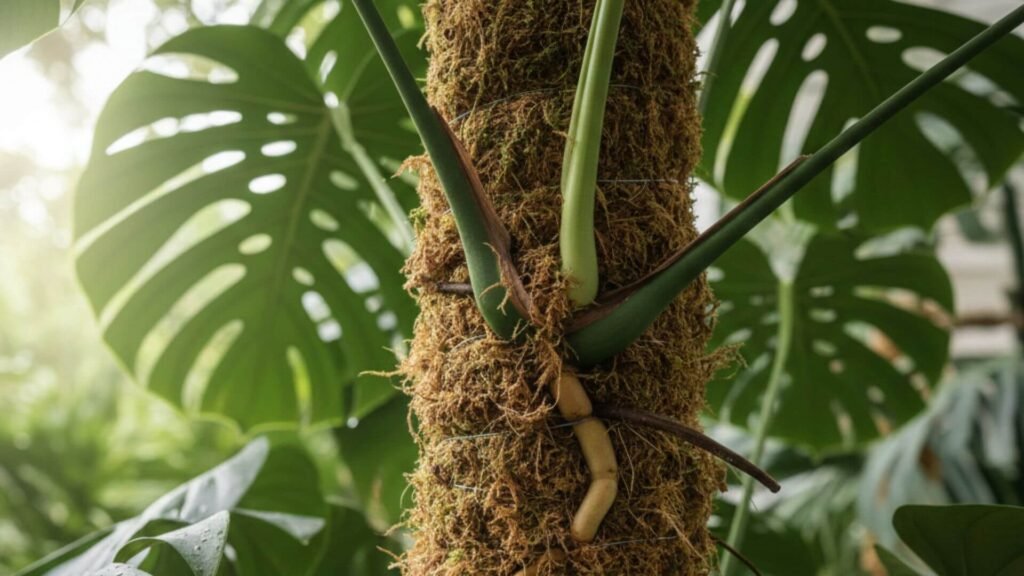
Yes, support improves leaf size and structure.
Benefits of a moss pole:
- Encourages upright growth
- Promotes larger leaves
- Mimics natural climbing behavior
Attach the main stem gently using plant ties and allow aerial roots to anchor naturally.
Is Monstera Deliciosa Toxic?
Yes.
According to ASPCA, Monstera deliciosa is toxic to pets and humans if ingested due to calcium oxalate crystals in the plant tissue.
These microscopic crystals can cause irritation when chewed or swallowed, leading to symptoms such as mouth discomfort, drooling, or mild digestive upset. The plant is not dangerous to touch, and normal handling, watering, or pruning is safe.
For households with cats, dogs, or small children, Monstera should be placed out of reach. In most cases, toxicity incidents are mild, but it is best to prevent access altogether.
Quick tip: If you notice bite marks on leaves, relocate the plant to a higher shelf or use a plant stand that limits access.
How Long Does Monstera Deliciosa Live?
With proper care, Monstera deliciosa can live for several decades as an indoor plant.
Unlike short lived houseplants, Monstera is a long term grower that continues to mature over time. As it ages, leaf size increases, fenestrations become more pronounced, and the plant develops a stronger central stem.
Consistent light, proper watering, and adequate root space play a major role in longevity. Many mature indoor Monsteras are passed down or grown for years in the same home.
Observation: A Monstera that steadily produces larger leaves year after year is usually healthy and well established.
How Monstera Inspires Nature Inspired Design
Monstera leaves are widely used in:
- Interior styling
- Art and illustration
- Botanical resin jewelry design
Their bold shape and organic splits symbolize growth, calm, and connection to nature.
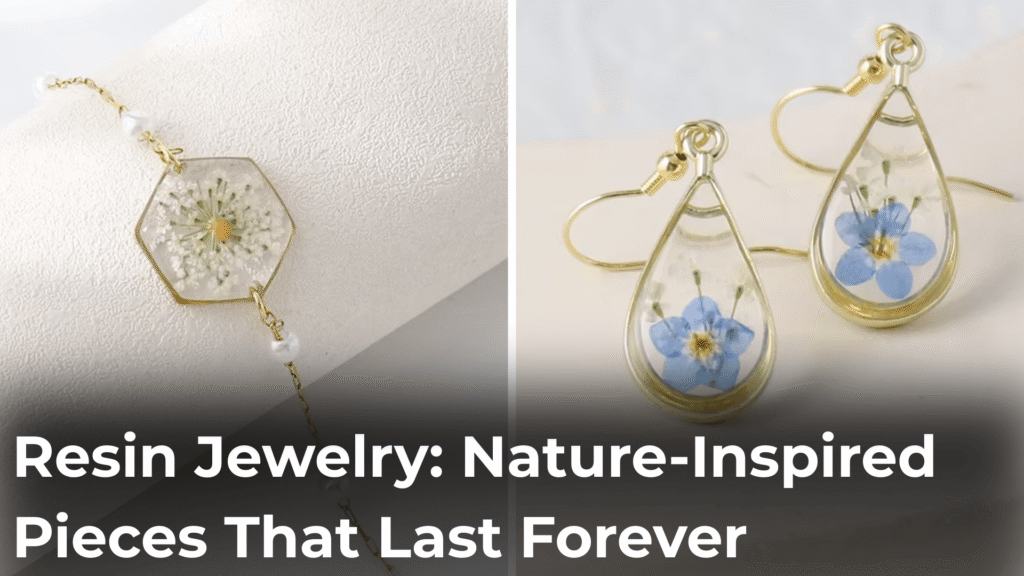
For those drawn to plant inspired aesthetics beyond home decor, botanical resin jewelry captures the same natural beauty in wearable form. Botanical resin necklaces, bracelets, and earrings preserve real plant elements, allowing nature inspired design to be part of everyday style.
Quick Care Summary for Monstera Deliciosa
Plant type: Tropical aroid
Light: Bright, indirect
Water: When top soil dries
Humidity: Moderate
Growth habit: Climbing
Pet safety: Toxic if ingested
Final Note
Monstera deliciosa is popular for a reason. When its natural growth habits are understood, it becomes one of the most rewarding houseplants to grow.
This article is part of the Know Your Plants series, designed to help you identify plants, understand their behavior, and care for them with confidence.